Preparing Leaders for Trips

Our winter retreat is coming up in a few short weeks and we are taking our biggest group yet to camp. Of course that means we need plenty of leaders to go with us to care for our students as they shepherd them in the disciple-making process.

I’m a little embarrassed to admit that it took me a substantial amount of time to actually host meetings and training sessions for leaders going on trips. I used to simply ask leaders to show up 15-30 minutes before students on the day of departure and would try to cover all the bases in that short time span. Over time I came to realize that those types of meetings didn’t cover all the details, weren’t intentional, and lacked clarity and relationship.

In the past few years we have begun hosting meetings and training for all of our trips even weekend ones to help prepare, guide, equip, and love on our leaders. Today, I’m sharing what we incorporate into our meetings for our weekend trips and how we empower our leaders to lead and shepherd well. I would suggest everything you talk through be put into a folder for each leader and also put into digital form where applicable.

Talk through expectations.

Expectations should incorporate what you are asking of your leaders. This should include expectations for when you’re traveling, stopping at places along the way, and at the camp. Think bigger than just what you want of your leaders on a normal youth group night, and think through what you’re asking of them throughout the entirety of the trip. You will need them to help with respecting drivers and their vehicles, honoring the places you stop at like gas stations or restaurants, and respecting the rules and guidance of the camp.

Talk through logistics.

Have you ever gone to a camp that you’ve never been to before? Did you feel overwhelmed? Were you trying to figure out where everything was? Did you know the schedule or were you trying to figure that out on the fly? If that’s how you felt, imagine how your leaders felt.

Preparing our leaders for what to expect is key. Take time to talk through what the camp is like, hand out a map if applicable, talk through what the camp offers, the structure of the weekend, departure and arrival times, cabin assignments, small group expectations, lights out, free time requirements of leaders, first aid, meal times, packing lists for leaders, and cleanup. Anything that will help your leaders feel comfortable and acclimated to your space is key and necessary to go over.

Go over the schedule.

I extremely dislike showing up to a meeting, trip, speaking engagement, or really anywhere that I have a role in, without knowing what is happening. The same can be said for our leaders and by not setting them up for success we are setting them up to fail. So take time to walk through the schedule. Highlight key things that are required. Talk through free time options. Walk through lights out and meal times. All of these aspects will help set your leaders up for success and allow them to communicate well with their students. I would also suggest having a printed schedule and a digital one for your leaders to utilize.

Talk about the location.

This is huge especially if you’re at a location that is a bit more spread out. Our winter camp is fairly spread out for free time activities and when we arrive at the camp in the evening the outdoor lighting isn’t great. So being able to show your leaders a map of the camp and explain where everything is will help them feel more comfortable and prepared for the trip.

Provide guidance for small groups.

Our winter camp doesn’t provide small group questions until we arrive on-site. For our leaders that doesn’t work because they have been trained to expect questions and guidance for groups at least 24-48 hours ahead of time. Because we know we won’t get the questions ahead of time, we build out generic small group questions and guidance for the groups to work through. This at least provides our leaders with some tools and resources to move through the small group time.

We make sure each small group knows where they are meeting and how to get there from the worship hall. We also provide guidance for how long to meet and make sure they are aware that it’s okay to go longer than the predetermined time. Another thing we tell our leaders is that there are additional Bibles, pens, notebooks, devotional guides, and new Christian resources for them as needed for their groups.

Bless your leaders.

We have talked before about blessing leaders when we go on trips, and I cannot stress enough how important this is. It is a way to value and care for them as you recognize their sacrifice of leading their students. We typically do gift bags with essentials for the trip (Advil, Advil PM, hand warmers, lip balm, and earplugs) coupled with various treats and snacks. But it doesn’t have to incorporate all of these things. Sometimes the best way to bless leaders could be a handwritten note, a gift certificate to the camp snack bar, a Starbucks gift card or bringing them their favorite drink, or even having lunch for them. The purpose of blessing your leaders is to show love, care, and intentionality, so however you choose to do this, it will be well received.

Spend time praying together.

This is a key part to helping prepare our leaders for trips. We take time to pray for our students who are going, the camp, the speaker and worship team, for our leaders, needed conversations, and for God to work powerfully during our trip. Typically we pray as small groups at round tables and then come back together for someone from our team to pray over all of our leaders who are going on the trip.

How do you help to prepare your leaders for your trips?

Helping Your Group Prepare for a Trip

Our winter retreat is coming up toward the end of this month, and we are so excited to be taking our students and leaders to a place we know and love. In thinking about how we gear up and plan for trips, I reflected on how the ways we prepare have grown and evolved during our time in ministry.

As the ministry leader, it’s often easy to assume we know what needs to be shared, posted, and explained, but I’ve learned during my time in ministry that what I think is correct and needed isn’t what our people need. Listening to leaders, students, and families has helped our team understand what is needed and seek to communicate it better.

Today’s post is designed to help you think about how best to prepare your group for trips. It is important to think critically about what is communicated, how it is communicated, and to whom it is communicated. Here are some ways we have learned and developed to help do just that.

Post on social media.

We typically post about upcoming trips and departure times, but in the past few years we’ve started creating posts on Canva and sharing things like packing lists and important details for the trip. Other great things to post on social media include departure times and details; photos during the trip; prayer requests before, during, and after the trip; and return times. In order for this to be the most effective, it is important to remind parents that you will be posting helpful information on your various channels to communicate effectively.

Host leader meetings.

When we host these meetings we try to keep them to an hour max, right after church when most of our leaders are present. We walk through what the weekend will look like, explain the schedule, talk about expectations, outline small group time, and more. We talk through what to expect, how the camp is laid out, who will be in what cabins, and our rules and the camp rules.

We also give out gift bags to help make the trip a bit more bearable. These gift bags have snacks, drinks, coffee, Advil and Advil PM, lip balm, a flashlight, hand warmers, and other necessities for a trip in the winter with students. Typically our camps don’t provide discussion questions for small group time until we arrive, so we also curate some generic questions for our leaders to help them guide their group in a discussion. We also make sure to answer any questions our leaders have and to spend time praying together for our trip.

Email families.

This is a big one and helps to get communication out in a timely manner. We send emails with departure and return info, packing lists, what to expect, links to the camp website, contact info for our team, and other helpful information. The key to these emails is sending them well in advance of when people need the info and sending follow up emails as your departure gets closer.

Make announcements.

I don’t often suggest making multiple announcements to students because they frequently forget about them. But when we spend time and highlight the importance of the announcement it allows us to communicate what needs to be heard. For our students we highlight key things like departure time, packing lists, and what to expect. These key aspects are highly important and allow our students to hear what is necessary for them leading up to the trip.

Have supplies ready.

This is important for both leaders and students. We equip our leaders with mini first aid kits (we have larger ones in specific areas or with specific leaders), camp maps, full itineraries, and anything else they may need (see above). We also have snack totes, game totes, and a resource tote with Bibles, pens, notebooks, and other items that we tell our leaders about and where they will be located. For our students, we let them know that we have additional toiletries (think travel section at your local dollar store) if they forgot anything, a few extra pairs of winter gloves and hats, and of course Bibles, pens, and notebooks.

Wait to make cabin assignments.

This is specifically for students and families. We used to release cabin assignments before the trip and this often led to parents and students trying to change assignments for a variety of reasons. Trying to change assignments can be messy and difficult, but it will also add more complexity and frustration for you as the planner. Instead, we only share cabin assignments with leaders ahead of time, and tell students where they will be when they arrive for check-in.

Now I will say this: we try very hard to keep friends and small groups together and overall we do a great job at this. This has caused families to trust our decisions. When they do ask for a change we take it on an individual basis and assess the request and reasoning before working to change anything.

Have a list of departure announcements ready.

This is more for you as the key leader of the trip. Having a list of announcements to run through will help you expedite the departure and also remember the key things that need to be stated. We highlight treating our drivers with respect, cleaning up the vehicles, treating the camp and their staff well, listening to leaders, following rules, and not taking prohibited items including phones (we will hold them for students but not charge them to help them be intentional in their time at camp).

Our Picks: Royal Servants

As a student ministry leader you have probably led your own mission trip or partnered with a mission agency at some point in your ministry career. We all know that mission trips are important in the lives of students because of how they impact their hearts and relationship with Jesus. We know that when they are in a focused environment, building relationships with people, and serving others, they will begin to grow as a disciple of Jesus.

If you have led your own mission trip before you know how much work goes into planning and leading the actual trip. There’s setting the schedule, organizing service projects, figuring out meals, scheduling travel, arranging sleeping assignments, handling debriefs, managing conflicts and stressors, and all the other things that pop up. Leading a mission trip that you are putting together takes a lot of preparation, planning, and intentionality as you not only lead but also care for your students, leaders, and the people to whom you’re ministering.

If you’ve found a partner agency to go with that meets your needs and focus as a ministry, you know how beneficial this can be. Our ministry typically looks at running our own trips or partnering with the different mission arms of our denomination. This allows us to make sure the vision and mission of our ministry align with those of the partnering organizations. But, I also love to find additional opportunities for our students that embrace our vision and actively engages in discipleship.

That’s where Royal Servants comes into the picture. Royal Servants is part of Reign Ministries and offers summer-long trips for all students including middle school, high school, and college age. These are trips that take place all over the world and are focused on reaching people with the Gospel and helping students to engage and grow in the discipleship process.

Like many youth workers, I found out about Royal Servants from a phone call. Hank Dahl, one of the mission trip leaders for Royal Servants, reached out to connect and to simply share his heart. What I instantly respected about Hank is he wasn’t looking to make a sales pitch or offer me something in place of what we do as a ministry. Instead, he wanted to offer an additional option but only after pushing our students toward our own trips. Hank’s and Royal Servants’ heart is to be an additional option for students with the express desire to help them grow in discipleship and missional opportunities.

The first time we had Hank join us, he asked if he could speak to our students. He didn’t ask to share his own lesson but instead offered to teach on whatever our series was focused on. Being a youth ministry veteran, Hank instantly connected with my students and did a superb job sharing that evening. At the end of his lesson, he gave a brief synopsis of who Royal Servants is and what their trips were for that year. He then encouraged our students to go to small groups and find him afterwards at a table in the lobby. Hank didn’t try to pull our students away from time in their small group but instead pushed them into their discipleship time and encouraged them to take initiative in connecting with him afterward.

Hank’s heart, that of his team and Royal Servants overall, is to partner with student ministries around the country and to help them provide additional avenues for their students to engage in discipleship and missional opportunities. We have had several of our students participate in trips with Royal Servants and all have come back changed and strengthened in their faith. When many of them returned, they took leadership roles and began to reach out to people in their schools and communities. They also began to push students in our ministry to serve in their spheres of influence and to go on mission trips with our student ministry. It wasn’t focused on just encouraging their peers to join Royal Servants, but to instead serve where God is calling them. This again highlights the way that Royal Servants equips and trains students and is why I will continue to invite them to our church and encourage my students to participate.

If you’re looking for a great partner organization, one that seeks to reach the lost and equip students as disciple-makers, then Royal Servants is the organization for you. I highly encourage you to reach out to Hank–let him know I told you to :)–and see what this ministry can do to help your students grow and flourish.

Helpful Items for Leaders to Take on Mission Trips

Mission trip season is upon us. This year we are taking two groups of students to vastly different places. Our scope and sequence for trips is to begin at the local level with middle school students and to build outward to regional and global missions as students move through their middle school and high school careers. This year we are doing an inner city trip nearby for middle and high school students and a disaster recovery trip for our upper classmen to Hazard, Kentucky.

Regardless of the trip you may be taking and where you are going, there are some essential things that all leaders of the trip should have ready to take with them and done before they leave. Today, I want to share some essentials that we take along on our trips and to hear what you take for your trips.

A good first aid kit.

Maybe this is because I have a background in security where we needed to be prepared for any situation and our first aid kits were stocked with everything and anything you could need. But I’ve also been in youth ministry long enough to know that you should prepare for the unexpected. This is why having a well stocked first aid kit is a necessity.

Too often we can default to a pre-made kit from the local mega store or Amazon, but they are usually packaged with very basic first aid items. My advice would be to buy a first aid backpack and stock it with your own items. That way you can switch out items for various trips and keep the consistent items in your bag to be adequately prepared.

Here are some things I would recommend for your kits: medicines like Benadryl, Advil, Tylenol, and Asprin; a good multi-tool; insurance info for you and your team; bandages including bandaids of various sizes, gauze, butterfly bandages, wraps and tape; eye wash; Propel powder or electrolyte pills; candy in case people have low blood sugar; intestinal medicine like Tums, Imodium, and Exlax; scissors; tweezers; splints and slings; cough drops; different ointments, wipes, and anti-itch creams; tissues; and hand sanitizer.

Coffee and tea.

You would think that these would be provided at any mission trip location, but more often than I’d care to admit I’ve found that isn’t the case. There have been multiple times where there isn’t coffee or the coffee is expired. That isn’t the fault of the agency or host because that isn’t their priority. But if coffee and tea are an important element for you and your leaders, it’s helpful for you to take some along as a way to care well for your team. I’d also encourage you to bring along a couple extra bags of coffee for your host as a way of blessing them.

Sunscreen, bug repellent, and remedies.

Many mission trips happen during the summer and require work that takes place outside. So having quality sunscreen and bug repellent appropriate for where you are serving is key. Make sure that you connect with the team or organization you are partnering with to get their recommendations for what to bring. It is also a good idea to have remedies for when they are needed. This could include things like aloe, after burn relief like Alocane, anti-itch cream, Cortizone, Neosporin, and similar products.

Flashlight, extra batteries, power strip, and adapters.

When it comes to being prepared for mission trips, flashlights and extra batteries are a must. Whether they’re being used to help on a project or for a game of manhunt or if you’re roughing it and need to find a bathroom at night, having a good flashlight and extra batteries are a necessity.

To go along with that, bringing a power strip and adapters when needed is also important. Have you ever been on a trip when there’s a limited amount of wall outlets? It can be incredibly difficult to charge everything and sometimes the outlets can get overloaded. So having a quality power strip is one of the best things you could bring along. If you’re traveling outside of the United States it is also important to have the right adapters for your electronics to ensure they will be charged and working abroad.

Travel documents.

Getting ready for a mission trip means having the right documentation for your destination. If you’re traveling nationally, you may not need much, but don’t only think in terms of passports. You may need an EZ-Pass or another electronic toll reader and you might need to have permission forms for various organizations that you’re partnering with. If you are traveling outside of the country you will need passports, immunization records, documentation for minors to travel abroad, and permission slips. These are some helpful things to think through and prepare for before leaving so you are properly equipped for your trip.

Extra money for incidentals.

The reality is that even with all the planning and support raising, incidentals will always occur on mission trips. Whether it’s purchasing extra supplies, taking a vehicle in for repairs, unexpected travel costs, or needing more food, things will happen. So make sure to have additional money for those moments. This can be both actual cash or making sure your credit cards have a proper credit line and. Doing this will help make sure you are adequately prepared. It is also important to make sure to put a travel notice on any credit cards. Some companies will put a fraud alert on your card if expenses are incurred that are outside your normal purchases, which can hamper your ability to use it on trips. So make sure you contact the company ahead of time to be prepared.

Communication.

If you’re traveling internationally or to an area that has poor cell reception, having a plan for communication back home or to needed contacts is important. This may mean purchasing an international phone and data plan, or scoping out if there will be access to WiFi in the area.

Protein bars and easy snacks.

I love to take snacks on any trip, but when you’re going on mission trips snacks aren’t always something we think about taking for a variety of reasons. But having some easy snacks and bars is essential because you may need them if someone is feeling lightheaded or faint from exertion, or for when your own student gets a little hangry. Some easy suggestions include Larabars, peanut butter crackers, protein bars, gummy candies or fruit snacks, and mints.

When you go on a mission trip, what are your must-haves?

5 Factors to Facilitating a Mission Trip

We are beginning to start our mission trip training for this summer. With two trips planned and two unique teams going, we need to make sure our students are adequately prepared and trained in order to best grow and serve. Our summer ministry rhythm alternates between doing some type of retreat or conference one year and a mission trip the following year. Regardless of whether it is a mission trip year or not, part of our vision for our program is to incorporate missional opportunities in all of our trips because of the mission Christ gave to all of His followers.

What that means is we are always approaching our trips with a mission-centered focus. In order to do that well, we must think through some key aspects. Mission trips that are just haphazardly thrown together are not all together a bad thing as opportunities may just present themselves. But the more intentional we are in thinking through how we can shape and facilitate the trip in an impactful and meaningful way, the better prepared we will be and our students will reap the spiritual benefits.

The points below are intended for those who are planning their own trips and not necessarily partnering with a mission organization. However, I believe these points translate into either type of trip. If you go with an organization some of the points may already be figured out for you. These are key avenues to engage during the very beginning of mission trip planning and are designed to help the main trip leader best prepare themselves and their team for the upcoming training and trip.

1. Know your objectives.

Mission trips are a wonderful opportunity to not only help your students grow spiritually but also to bless others through your actions and care. In order to achieve both of those realities, there need to be clearly stated objectives. If you know the objectives of your trip it allows you to shape and plan accordingly so you can accomplish said objectives.

Your objectives can be focused on the spiritual growth of your students, skill sets that need to be learned, tasks that need to be accomplished before and during the trip, building relationships within the team and with the community you’re serving, or whatever else you see as a goal for your trip. When you have your objectives focused and spelled out, you will then be able to guide and shape your trip and team accordingly.

2. Clearly communicate expectations.

Whether you are setting up team meetings, explaining guidelines for the location, sharing team member requirements, or detailing work expectations on the trip, the ability to clearly communicate expectations will help set your team up for success. This is true even when you are advertising the trip to your students. The clearer and more concise your communication, the more apt your people will be to understand and follow what you are asking of them.

When it comes to expectations for your students, never assume they know what they are even if you have taken them on prior trips. Each mission trip will be unique which means the expectations will be as well. So be clear, concise, and direct with expectations in order to set your team up for success.

3. Utilize team training.

Training for mission trips is a must. Without training you will be setting your team up for dysfunction and potential failure. Training allows the group to grow and deepen relationships, engage in team building, grow in the skill sets needed on the trip, have a better understanding of how to minister to the community you are serving, and to help each team member know more about themselves personally.

Training can include activities to simulate what you will be doing, practice or organize different elements needed for the trip, complete personality assessments, or engage in prayer times, team building, or evangelism and prayer training. It can also include watching videos or reading helpful books, bringing in teachers to help equip your team, or whatever else you find beneficial. These do not need to be exceedingly long or every week, but I would recommend starting training sessions 4-6 months before you are to leave and averaging 1-2 a month.

4. Highlight flexibility.

If you have ever led a student trip before you know the importance of flexibility. But often times our students never see that part of the trip because they are only engaging the trip not serving behind the scenes. That’s one of the key differences between a retreat or camp and a mission trip. On a mission trip students are serving and leading, not simply consuming. So helping your students understand flexibility, why it is necessary, and how it may look on the trip will help to strengthen and equip your team to do their best work and be for one another and the community you are serving.

5. Build your leadership team ahead of time.

As you are beginning to prepare for your trip it is important to recruit the necessary leaders for the trip before you begin to advertise it to your students. This allows you to have the appropriate student-to-leader ratios and it also helps you to have the leaders needed for the trip. We all have amazing leaders who serve in our ministries but not all of those leaders may want or be able to serve on a mission trip. So figuring out who can and should go ahead of time allows you to be better prepared for the trip by having your leadership team in place.

7 Ways to Prepare Leaders for Trips

Whenever you go on student ministry trips, you are probably taking leaders with you. Whether it’s one or two or maybe thirty, having leaders on a trip is essential. They help make sure everything goes as it should, they invest in your students, and they are the people who allow the trip to actually happen.

But if we don’t prepare them well for the trip, we will actually be hindering them and ourselves. We are the ones with all the details and knowledge of where we are going because we have been in contact with the host location. What we need to be doing as ministry leaders is preparing our leaders well so they can truly succeed and have the greatest impact in the lives of our students.

Today I want to share with you some ideas and tips on how to best prepare your leaders for upcoming trips.

1. Prepare and communicate in advance.

One of the best things you can do for your leaders is be prepared and communicate to them well in advance. The more they know ahead of time the better suited they will be to fully contribute and care for students. Make sure to communicate dates and times, location of the trips, what they should bring, and what you’re bringing like supplies, games, snacks, Bibles and pens, fidgets, devotionals for students who follow Jesus, and even things like power strips.

2. Have a leader meeting before you go.

One of the best things you can do for your leaders to help prepare them is to have a meeting before the trip. Being able to walk through who is going, room assignments, the schedule, expectations, and allow time for questions will help your leaders feel more at ease about the trip and will give them confidence as they go.

3. Prepare a leader packet.

Preparing a packet for your leaders gives them not just information but helps them to know what is happening and what is expected of them. When you put together a packet, include things like a site map, packing list, sleeping arrangements, small group assignments, schedule, questions for small group time, contact info for the camp, and all the leaders’ contact info so everyone has it.

4. Set up a group text for your leaders.

This is one of my favorite things about going on trips. We always set up a group chat to share information and pictures throughout the trip. There are lots of gifs and jokes between leaders, but also moments where we share prayer requests and praises. It also allows for information to get out quickly and everyone to see what is happening throughout the time at camp.

5. Go over expectations.

Sometimes on trips we just need leaders to hang with their students because the location handles everything else. Other times leaders need to be more hands-on and have various roles. The clearer you can outline those expectations and share them with your team, the better prepared they will be to lead and shepherd your students.

6. Find ways to bless them.

Whether it’s a personalized card, a leader gift bag, or a Starbucks gift card, something to encourage them and let them know they are loved and valued is wonderful thing to do for your leaders. By blessing your leaders you are showing them how much they mean to you, the ministry, and your students. This is a tangible and intentional opportunity for your leaders to know they are seen and valued.

7. Spend time praying together.

When you prepare your leaders ahead of time, spend some time praying for them, your students and families, and the trip. These moments allow you and your team to intentionally pray for all aspects of the trip and to pray specifically for the students who are going. God moves powerfully through prayer and by praying before the trip we are intentionally asking God to do big things in the lives of our students. By praying for God to work in the lives of students, it allows us to see how He intentionally and divinely moves in the lives of our people and the change that comes about.

How do you best prepare your team for trips? What are your best practices for doing this?

The Week Before a Trip

When this post goes live we are t-minus five days until we depart for our winter retreat. Every year we take our students to a camp in our area for a winter weekend filled with solid teaching, worship, small groups and discipleship, lots of fun, community, and hopefully a little bit of snow.

But let’s be honest: the week or two before a trip can usually be pretty stressful and busy. There’s all the trip details, making sure everyone is paid up, communication, packing for yourself, making sure your students bring what they need, regular work commitments, and all the other pieces that we know will pop up at the least opportune time. So the question is, “How do we manage and prepare well during those weeks?”

On today’s post I want to share a few tips for how to not only prepare well but manage your time and details to succeed during the prep week and your time leading up to camp.

Have someone else handle speaking.

The week of and perhaps the week before a trip, I would highly recommend having someone else speak at your gatherings. For most of us, the primary amount of our hours are focused on preparing messages for our students, and by recruiting someone else to speak you are giving yourself flexibility and opportunity to focus your time in other places. Whether it’s a youth leader, another staff member, a student, or a guest speaker, having someone else speak frees you up to focus on the trip. It gives you all the time you’d focus on study, prep, and speaking to now focus on making sure everything is handled before you depart for your trip.

Try to keep your schedule as open as possible.

The week before I go on a trip I try to not schedule any meetings or additional work items if at all possible. I will always have various meetings I have to attend, but I try to not add more to my plate. The more we add to our schedules, the more we will feel overwhelmed and behind. So try to keep your schedule open and make the most of the time you have to prepare for the trip and handle what needs to be done.

Over-communicate to families.

No matter what, you will always have people who miss or don’t pay attention to communications you send out. But trying to get ahead of those moments and doing all you can to clearly and concisely communicate will help immensely. I try to schedule and send all of my communications at least a week before parents would ask for them. For example, if I know parents will want a packing list two weeks before we leave, I try to send it three weeks and again two weeks before we go. That way there is a greater chance for them to not only see it but also to have a reminder sent in case they forget.

Have a planning meeting with leaders.

If you have ever served as a volunteer in student ministries, you probably know what it feels like to not have all your questions answered or what it feels like to be unsure about what to expect. The more we can help to prepare our leaders and give them the information they need, the better prepared they will be to lead and disciple your students. So find time before you go to help prepare your leaders mentally, emotionally, and spiritually. Remember that these meetings don’t need to be very long and should also be about spiritually preparing and not just information dissemination. So spend time praying together for one another, the trip, and your students.

Create a personal packing list and a ministry packing list.

We have recently written about what to pack for trips as a leader. This is a really helpful resource for both ministry leaders and their team of volunteers. It may be helpful to have a concisely written packing list for your leaders at your planning meeting. On top of your ministry packing list, also think through what you will need personally. For me I always make sure to have different types of cold medicines and throat drops, braces for my ankles that tend to roll, spare clothes, some protein bars, and some extra games and snacks for my cabin. Think through what you’d like to bring and make sure you have your list ready for when you need to pack.

Schedule time off before and after the trip.

This is something I have been making sure that I do more often. Depending on what needs to be done, I try to take an extra day off the week before a trip to spend with Elise and mentally and spiritually prepare myself for the trip. After I get back I try to take a day off to catch my breath, decompress, and heal (for me that means going to the chiropractor and getting extra rest). These aren’t just meant to be comp days but days to decompress and refresh so I am able to minister and care for my people without leading out of emptiness or depletion.

Make a list of what needs to be done and when.

I love making lists and crossing things off as I complete them. And when it comes to trips, I make lists of what needs to be done leading up to our departure. Typically I make two lists for trips. The first one is focused on the big things that need to be done from the very beginning of scheduling the trip. This includes announcing the trip, payment deadlines and reminders, parent and family communications, departure information, and packing lists. The second list is one that is focused on the week or two before the trip. This has to do with leader meetings, social media reminders, final communications to families, texting groups for leaders, sign in procedures, packing for myself and the ministry, and anything else that needs to be accomplished.

What does the week before a trip look like for you? How do you prepare for your trips?

Ideas for Student Meals

For many youth groups, winter retreats are just around the corner and summer trips are fast approaching, which means planning has begun or will begin shortly. Part of planning for these trips may include meal planning and thinking through how to offer food that is affordable and tasty. Still other youth ministries offer meals weekly to their students as a way of blessing them and their communities.

But have you noticed how we can easily default to the same meals over and over? Perhaps you have run out of ideas about what you can offer to your students. I know I have been there many times. I’ve wondered what to offer for trips that wouldn’t drastically raise the overall price. I’ve defaulted to pizza way too often! And let’s be honest: the easy option can feel like the best option because it’s less work and simpler.

Today, I want to share with you some fun and affordable meal ideas that you can utilize on trips and in your ministry whenever they are needed.

Breakfast options.

  • Cereal bar. This is a fun and easy one. Grab a bunch of cereals from your local store and have them set out for your students. They don’t need to be name brand, there are a ton of store brands that taste just as good, but I’d recommend a broad variety so students have different options. Don’t forget that some students are lactose-free, so consider grabbing a milk alternative or two.
  • Pancakes. This is a really cheap option for breakfast. You can grab a large bag of pancake mix from your Costco or Sam’s that only requires water and mix it up to make a hearty breakfast that is fairly cheap. If you’re looking for your pancakes to have a little more taste and to be a little fluffier, grab a bottle of Sprite or 7up and substitute that for the water. Trust me on this one; these are sure to be winners with your students. Don’t forget some butter and syrup to top off this breakfast (check out Aldi for cheap butter and syrups).
  • Eggs and bacon. These are breakfast staples and honestly, it makes morning a little more bearable when you wake up to fresh bacon. Aldi has great prices on eggs, but you may also be able to purchase eggs in bulk at Sam’s or Costco at a comparable price. The same can be said of bacon, so make sure to compare prices. If you live in a community that harvests their own hogs, try connecting with a local farmer or butcher to check out their prices on bacon. You can also see if there are any local people who raise chickens for eggs who could help you out with a deal. A quick tip on making eggs, always go scrambled and add in milk or water to give your them more body and to help with making them go a little farther.
  • Breakfast sandwiches. This is one of those breakfasts I always look forward to. Maybe it’s because I grew up in New Jersey and breakfast sandwiches were a way of life (don’t get me started on pork roll, egg, and cheese on an everything bagel), but these are a great last day breakfast. You get to look at your inventory of leftovers and utilize them in a way that students and leaders will enjoy. Cook up the last of your eggs, heat up or cook all of the leftover meat, grab some American cheese slices, toast up some English muffins or bagels, slather butter on the toast and voila, you have a gooey and delicious breakfast sandwich.
  • Baked oatmeal. I will be honest, I only got into this recently because I was trying to find a healthy breakfast alternative. I realize that most baked oatmeals are anything but healthy, but I did find one that is a little healthier because it substituted all the dairy with applesauce and reduced the sugar drastically. But all that to say, baked oatmeal is a fantastic alternative to regular oatmeal and is something that can be prepped the night before and thrown into the oven in the morning. If you are looking for some recipes, especially some that offer you different flavor options, check out this list at AllRecipies.com.

Lunch and dinner options.

  • Walking tacos. This is something I had not heard of until I moved to the Midwest, and honestly this is an amazing option for meals. Essentially you take a snack sized bag of your favorite chips (Doritos, Fritos, Lays, or really any type of chip will do), add in all of the ingredients that go with tacos (meat, cheese, lettuce, salsa, etc.), and grab a fork to dig in. These are totally customizable by each student, quick to prepare, and also an easy cleanup option.
  • Spaghetti and meatballs. This is such an easy option for a meal and it is incredibly filling. Purchase a bunch of spaghetti and sauce, throw some meatballs in for added flavor, and you have a meal that will have your students ready for bed due to all the carbs! I would encourage you to consider making your own sauce if possible, or doctoring the store bought sauce to make it a little more tasty and special for your students. You can also up the ante by purchasing garlic bread or bread sticks, and by offering Parmesan cheese for students who like that on their pasta.
  • Grilled cheese and tomato soup. This is something that is pure nostalgia for most of us, and I would say the same is true for your students. Bring along a couple of griddles or utilize a flattop and get ready to toast up a lot of bread. A couple of ideas for this include having multiple types of cheese and breads, and making sure you have crackers and other toppings for your soup. Keep in mind you may have students with gluten or dairy allergies, so if you are able, try to have some options available, but understand that these items may not cook up in the same fashion.
  • Soup bar. Depending on the time of year, soup is the way to go! It offers not only warmth and a full belly, but is also fairly easy to put together. My recommendation would be to grab a bunch of crock pots and take them with you if you are going on a trip or have them ready to go in your kitchen space. Ask some parents to prepare their favorite soups ahead of time or grab a bunch of different pre-made options from your local supermarket or Costco, and start them in the morning. Periodically stir them and when dinner time arrives put out crackers, salt and pepper, shredded cheese, and other toppings for a night that will leave students feeling full and satisfied.
  • Sandwich bar. This doesn’t just have to be peanut butter and jelly or lunch meats, but could be a whole themed meal time. You could do different types of sandwich options including various nut butters and jellies, lunch meats and cheeses, BLTs, meatballs, Sloppy Joes, and chicken, tuna, or egg salad. Add in all the condiments and various toppings and you have yourself a DIY sandwich bar that offers your students any type of sandwich they could imagine.
  • Pizza. I know, I know. I said pizza is something we default to. But hear me out on this one. If you are doing pizza all the time, then skip this option. But if you don’t do pizza all the time or want to do something different than your normal pizza options, then jump right in to this one. I’d suggest that you get a bunch of take and bake pizzas from Costco, Aldi, or your local supermarket and do a pizza buffet. Having multiple options and types of toppings gives your students variety and a choice of what they’d like to have. This can turn a boring pizza night into a really fun buffet. I’d also encourage you to consider adding in a dessert pizza, which could be cookie pizza, cinnamon sugar pull apart pizzas (think cooked or baked in a skillet), or even a brownie pizza to round out the evening.
  • Hamburgers and hotdogs. Who doesn’t love a grilled hotdog or hamburger? They always make a great meal. And it gives students something to not only look forward to because they can customize them, but the smell of the grill is enough to entice anyone for dinner that night. I would encourage you to make sure to season your burger patties and have all the accompaniments for the hotdogs and hamburgers. If you’re able to and it is cost efficient, consider purchasing some local hotdogs because that will add to the flavor and uniqueness of your gathering.
  • Crock pot meals. This is a fun and easy option. There are so many crock pot recipes out there that the options are almost limitless. I’d encourage you to find some quick and easy crock pot meals that you can set and forget about and to ask your church families if they’d consider providing some meals for you. This can lead to all types of fun and unique meals and can make this mealtime one that students will look forward to.

Snack and dessert options.

When it comes to snacks, there are a ton of ideas to consider. There’s fruit, granola bars, snack bags of chips, snack mix, ice cream, puppy chow, cereal, popcorn, cookies and brownies, and even leftovers. Anything can be a snack or dessert for a hungry student, just make sure they know when and where they will be available.

A few things to consider.

Remember the students and leaders who have dietary restrictions. This is a pretty big deal especially if you’re planning a trip or retreat because there will be multiple meals. Start by including a question on your signup form asking if people have allergies or dietary restrictions. Then connect individually with that family to see how you can help meet that need. This will require extra work on your part but it will mean the world to those students who are often forgotten.

Always over-estimate on food. I learned this early on in my youth ministry career. Students can put away food like it’s going out of style and like they haven’t eaten all week. So always have extra food on hand to make sure your students are well fed. If there are leftovers or extras, you can always freeze them, use them at your next gathering, or even give them away to some of your leaders (especially your college students).

Don’t forget coffee, tea, and hot cocoa. Typically I reserve the coffee for my leaders because they are doing so much on trips already. Having some hot coffee for them each morning goes a long way. Make sure to have good coffee (go beyond Folgers or instant) and some fun creamers. The tea and hot cocoa can be for anyone and can be nice to have during those winter camps where it’s freezing outside. Having these drinks available make your trips and gatherings just a little sweeter and more special.

Mission Trip Reflections from Kentucky

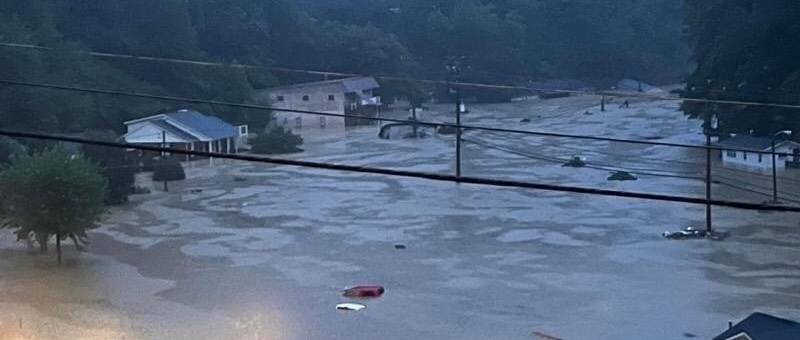
I recently was able to take a short term mission trip to Hazard, Kentucky, to help with relief efforts following severe flooding in July. To say that this was an incredibly humbling and impactful trip would be an understatement. The devastation and hurt that I saw was unlike anything I have seen before. The stories I heard and the destruction I saw will remain with me for the long term, and it has shaped my vision for where we will be sending student teams for the foreseeable future.

This area of our country has been largely forgotten due to its location, socioeconomic status, disasters in other places, and more newsworthy media. But there remains much heartache, loss, destruction, and needed rebuilding.

Our team was focused on rebuilding and repairing homes and churches, and on hearing the stories residents of this rural area shared. The emotional, spiritual, mental, and physical needs are vast and everyone has a flood story in this community. Whether they lost something like a home or possessions or for those who lost someone, the hurt and pain in this and surrounding areas is very real and raw.

As I’ve had time to reflect and think about my trip, I have pondered the impact that trips like these have on our students and leaders. Today, I would love to share some of my thoughts and takeaways in the hope they bring you some insight and clarity when it comes to short term mission trips.

Mission trips are necessary.

Mission trips are so important in the lives of all believers but especially students. They are forming their understanding of faith and wrestling with deep and thoughtful questions. Mission trips help students see the Gospel in action and help them form a healthy, biblical worldview. But I think for some of us–myself included–coming out of multiple years where we didn’t do trips due to a pandemic, the necessity may have faded in our minds. We cannot allow that to be the case.

Going to Kentucky solidified the necessity of taking students on trips like these because of the way it helps to shape and mold their hearts for the kingdom of heaven. We cannot loose that vision and we must provide opportunities for students to step into new environments and see the Gospel in real and tangible ways.

Mission trips grab your heart.

It is so hard to put into words all that I experienced in Kentucky. I have taken multiple trips throughout my high school, college, and ministry years, but this one moved me in some powerful ways. Perhaps it was seeing the devastation and destruction firsthand. Or maybe it was the proximity of this disaster in relation to where I live (only nine hours away). Or it may have been hearing the accounts of people who lost everything and loved ones in the spans of moments.

Regardless of the reason, the reality is mission trips have a way of grabbing our hearts in ways youth group and church don’t often replicate. Serving with people who are hurting, experiencing the reality of loss firsthand, hearing stories, and seeing the power of both the Gospel and God’s people moving to action stirs something within our hearts like nothing else. This is why our students need to go on trips like these because it helps capture their heart for the Gospel in action and how it applies to their lives and others.

Mission trips move your students to action.

This past Wednesday and Sunday I was able to share about my trip with our students. I relayed stories, showed them pictures, and explained why help was needed. The response I heard from multiple leaders and students ranged from “we had no idea this happened” to “when are we going” and “what can we do.” When we are able to cast vision and share stories, it moves our communities to action and cultivates a desire to care for and serve those who are hurting.

Proximity breeds empathy.

This became so apparent to me once again as I was serving in Kentucky. When we are around those who are hurting or struggling, it moves our hearts and minds because we are sharing life with those who have experienced loss. The more we can get our students into areas and communities that differ from theirs in all capacities–socioeconomic, diversity, hardship, loss, etc.–the more they will be able to understand the hope and healing the Gospel brings and their calling to be the hands and feet of Jesus. And the more they will learn about others whose lives look different from theirs.

Mission trips will stretch and grow people.

Coming back home from my trip, something was different in me. The Spirit of God was tugging at my heart and pulling me toward an ongoing partnership with our mission agency in Kentucky. I knew that if I could cast that vision well to our students, they would also be moved to action. What I became acutely aware of was God was using my experience as a catalyst to invite others to action. And the same is true of our students.

As they go on these trips, build relationships and memories, and the Holy Spirit moves in their lives, students will return and help to ignite that passion and desire within others. It will not only stretch and grow the people who go on the trips, but we will see cascading effects on the people our students engage and interact with when they return home. They will help cultivate passion and excitement for Jesus and what He is doing in your youth group. They will tell their friends and families about what God is doing. They will ignite a passion to see the world changed among their peers. Mission trips have a far reaching impact beyond just those who go, and through these moments we will witness the kingdom of heaven grow and expand.

Tips for Picking a Mission Trip

Serving in student ministry often includes leading a mission trip at some point during your tenure. And if you are like me your education probably didn’t prepare you for it. I never took a class on preparing a budget for a mission trip nor did I receive any help in building a student fundraiser (check out a previous post on fundraising for some ideas). I also was never given any thoughts on how to pick a destination and what to look for.

Today’s post is designed to help you critically think through how to pick a destination that will have the desired impact and outcome with your group of students. These ideas aren’t meant to be all encompassing, but to give you a springboard from which you can build out a trip that meets the desired aspects you have for your team.

Scout the location.

This is honestly one of the best things you can do as a trip leader. Wherever you are going–whether domestic or international–the ability to scout where you will be and what you are doing will allow you to be a better leader for your group. It will also help establish confidence and insight for students, parents, and leaders. You can answer questions, help quell fears or doubts, share stories, and bring a personal touch to the trip, which will help build the team and shape the heart of the trip.

Look for ongoing partnerships.

Ongoing partnerships can help aid buy-in from your students. If you choose a place you can continue to engage with, it affords your students opportunities to build connections and relationships with that community. This then generates a desire to continuing being a part of what is happening, as well as excitement to continue serving in that area. This mentality also helps to align your students with the understanding that mission trips aren’t designed to be a one-and-done experience, but instead are about building relationships, serving others, and growing the kingdom of heaven. It builds an intentional relationship and partnership that will ultimately benefit that community and your ministry.

Find a trip that can connect with your students.

This is something I always try to think critically about as I look for a missions partner, but it doesn’t ultimately drive where we go. I do believe it’s important to consider the connection between students and where they serve as it will help shape their hearts and challenge them to think outside of their normal spheres. If students connect with a location, they will create momentum and desire that will overflow to other students and hopefully generate a stronger response and desire to be part of the mission. With that said, a connection isn’t the ultimate driver of where we go because students may see greater change and spiritual impact at a location with which they don’t initially connect. If they do connect with a location it’s an added bonus.

Consider local and global options.

Sometimes our propensity can be to look for more exotic locations or ones that are outside of the continental US. But that isn’t always an option for every group and there are amazing domestic opportunities in which groups can participate. I encourage every youth leader to consider looking at both local and domestic options, as well as global opportunities, and try to find a balance between them.

Look for discipleship pathways.

Discipleship is the foundation of our ministry, so we always look for mission trips which further that focus. We don’t want to just take our students to a location to work hard, we want them to be formed and stretched as followers of Jesus. We value discussions and small group time, engagement with the people we’re serving, challenging students to think about how they can grow and change, and thinking long term about what changes they will implement in their lives.

Understand how students will serve and contribute.

Mission trips are fantastic opportunities for students to serve in real and tangible ways. However, some mission sites require skilled laborers or people trained in skill sets that students may not have. If you are going to a location that has been struck by a tragedy, they may desire contractors or counselors and often students do not fit these needs. However, they may be able to general maintenance, VBS programs, certain aspects of construction, outreach programs, and a variety of other tasks. If students can fully contribute and be a part of the mission, they will continue to serve and have a desire to be a part of future mission expeditions.

Have training options and resources planned ahead of time.

This is a big part of choosing a location. Make sure that you can equip and prepare you team for wherever they are going and for whatever tasks they will be doing. Whether it’s walking through When Helping Hurts, doing evangelism training, having mission reps share, bringing in someone from the site, engaging in skills training, or just team building, these aspects will all help to not only strengthen your team but inform and equip them as well.

Build out what you want students to come away with.

If you build out a plan for your students prior to choosing where you will go, you can make sure that each location will match your desired outcome. By building a plan and making sure the mission matches the plan you will have higher success when it comes to providing your students with what you desire.

What aspects dictate how you choose a mission trip location?