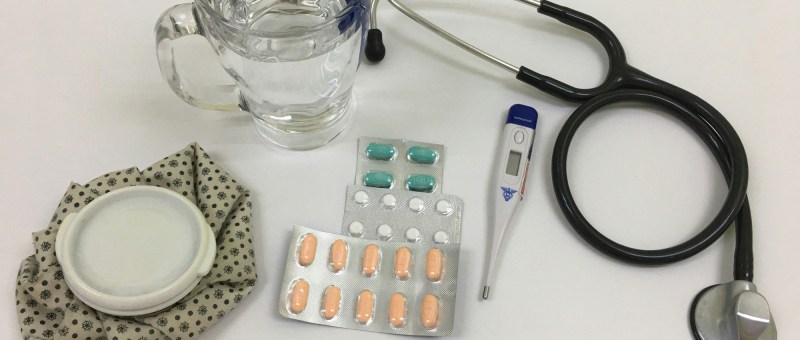
Tips and Tricks: Staying Healthy on Trips

We just got back yesterday from our winter retreat and it was amazing! God worked in amazing ways and we are so excited for the commitments that were made and to continue walking with our students in the coming months and years. But do you know what inevitably happens to some of our leaders, and even us sometimes? We get sick!

But over the course of going on trips every year for the better part of almost twenty years, we have learned a few tips and tricks to help us stay healthy. These aren’t foolproof and you may still get sick here and there, but these tips have helped us stay above the curve and relatively healthy throughout the years.

Get some sleep.

You probably laughed at this one, maybe you even laughed out loud. Trust me I get it: leaders don’t sleep a ton on trips, especially if you’re the primary leader. But what I am saying is to make sure you get good rest leading up to the trip. Make sure you’re listening to your body and not running it down.

While you’re on the trip, be intentional with trying to get as much sleep as you can and consider taking a sleep aid if needed. When you get home from your trip get some rest and relaxation in. Take a day off and allow your body to recoup whether by sleeping in, taking a midday nap, getting a massage, or just pausing. Sleep and rest is key to staying healthy.

Boost your vitamin intake.

Before going on your trip make sure to increase the vitamins that help your body stay healthy. Take vitamin c, start to take Emergen-C or Airborne, and take allergy meds if you’re going somewhere further away from home. Boosting your vitamin intake will help your body adjust and prepare for the coming trip and help to keep you healthy while away and when you return.

Stay hydrated.

This is huge! Make sure you are taking in plenty of water and electrolytes to help your body stay hydrated and healthy. Hydration helps your body not only to function well but will also help you sleep better and feel better overall. When you don’t drink the right amount of water you’ll get headaches and short tempered, so staying hydrated isn’t just good for you from a health standard but it also helps you be a better leader as you care for your team.

Use hand sanitizer and wash hands often.

This should be a no-brainer but sometimes it’s easy to pop a snack or some type of food without thinking about if you’ve washed your hands. Doing this can lead to all types of germs and illnesses so it is imperative to make sure you’re washing your hands or at least sanitizing before and after meals, after touching door handles, and after touching high-use objects like games and even things in your bunk house.

Take cough drops and cold medicine to camp.

I find that at camps I tend to lose my voice if I don’t hydrate and have throat drops on hand. But even more than having those items, cough drops and cold medicine are a must. If you begin to feel under the weather, treating your symptoms sooner than later will hopefully help you avoid any long term ailments and hopefully feel better sooner.

Make sure to eat and keep up your energy.

I will admit that I’m not always the best at taking care of myself, especially when I’m trying to care for others. That means there have been times I’ve sacrificed eating to care for students or to have conversations with different people. But in order for us to take care of ourselves we need to make sure we are consuming food that will not only give us energy but food that is good for us. Eating healthy food may not always be possible at camp, but seeking to not just ingest sugars and carbs will be beneficial. Look for proteins and healthier options like vegetables and fruits if possible.

Have disposable masks to give out to people who get sick.

We had a student catch the flu this year at camp and we had masks just in case something like that happens. It hopefully will keep the potential spread to a minimum, and they also serve to help anyone who may be immunocompromised to keep themselves safe from the sick individual.

Try to not touch door handles or commonly used areas.

I know, I know…how is that possible? We have to use doors. But door handles have tons of germs on them so using winter gloves, a napkin, a shirt sleeve or allowing someone else to open the door for you will help you eliminate some of the opportunities for germs to affect you.

Don’t share drinks or food.

This is huge at camps and retreats. So often we may share a bottle of water, eat someone’s leftover food, share a bag of candy or chips, or take a bite of someone’s soft pretzel. But doing that opens yourself up to so many opportunities to get sick. We don’t always see symptoms nor do students share if they’re feeling unwell all the time. That means we are highly susceptible to getting some type of germs or illness.

At the end of the day we can only do so much to keep ourselves healthy. You may still get sick and your body may still be rundown after the trip. There’s no catchall to keep you completely free of sickness but following these steps will hopefully help you to stay healthy.

The Importance of a Health and Wellness Policy

A health and wellness policy was something that years ago I would never have considered. We never talked about it in any of my classes or education environments. It only began to come up when I was involved in my ministry cohort, which was going on shortly after the pandemic started.

Our church implemented a health and wellness policy like many others once COVID-19 hit in our area. We implemented guidelines and policies to ensure that everyone remained safe and healthy. Like many other churches, these policies were met with mixed reactions. But after refining the policy and thinking about the future of health and safety for the church, we now have a policy that exists for all ministries and seeks to love and care for our people in meaningful and proactive ways.

I don’t mean to write this post as a worst-case scenario, or to try to instill fear, but instead to help us serve and care for our communities well. This is an opportunity for us show the love of Jesus in very real and tangible ways as we help to protect our community. With the fall upon us, we will start to see a rise in the common cold, flu, RSV, and COVID as students are back in school and activities are ramping up. So how do we handle this well? What are some key things to make sure we implement?

Have an overall wellness policy, not a policy per illness.

We don’t have a COVID-19 policy, we have a health and wellness policy with an addendum about COVID. That means our policy has health and wellness guidelines for all sorts of illnesses and helps us address the entirety of the community, not just the ones who catch a certain illness.

Make sure your guidelines are clear.

I don’t know about you, but I have some students who love to try to find a way around the rules. Whether it’s a PowerPoint game, a group competition, or even just the guidelines for our youth group. But I think we all know this doesn’t just apply to students. Sometimes leaders and parents will try to get around guidelines and rules, so make sure they are clear and easily understood. Don’t over-complicate the guidelines but instead look for clarity in what you are stating.

Keep it simple.

This is something I learned during 2020 when we tried to spell out all the rules and have all the contingencies. But truth be told, we either weren’t prepared for the circumstances that developed or we had a ton of rules for moments that never materialized. What I learned through all of that was to keep these guidelines simple. Instead of trying think through all the rationalizing that we can do for an illness and if people should participate, just keep it simple and say, “If you’re feeling sick, stay home.” The simpler the guidelines the better and easier they are to understand.

Have PPE items available.

The term PPE (personal protective equipment) became extremely popular during the pandemic and many people presume that this refers to mask, gloves, and sanitizer. But it actually can expand to much more. Yes, gloves and masks are helpful–especially if you have to deal with first aid issues that may involve blood borne pathogens–but there are other items to include. These could be certain cleaners, hand sanitizers, Clorox or similar style wipes, first aid items, and hand soaps at all hand washing locations.

Be willing to explain the reasoning for your policy.

When we first instituted our policy we got a lot of questions. Yes, you could make the argument that we all had a lot of questions about our wellness policies in 2020, but the reality is I still get questions as to why we have one. My answer is usually pretty simple: we believe that part of being followers of Jesus means caring for one another (especially those who are in need) and this is one of the best ways we can do that. Sometimes that suffices and other times it does not. We have to be willing to share the reasoning for our policy, but also need to understand there will still be those who disagree regardless of our reasoning.

Explain the policy to students, families, and leaders.

Clarity of thought and communication is key for this policy. These guidelines and policies need to be communicated to everyone they affect, and that means thinking through the spheres of communication. We always walk through this at all of our leader training sessions, communicate it to students at the start of each semester, and we send it out to all parents in our newsletter. That way everyone is aware of our policy and the reasoning behind it.

So what are our guidelines?

They’re pretty simple: if you’re sick stay home. That goes for students and leaders. We love that our leaders are dedicated but if they are sick, they aren’t going to be at their best and they could get others sick. The only addendum we have is for COVID-19, and that is simple as well. For the first five days we ask the student or leader to stay home (i.e. not coming to church activities) and then the next five days they are able to participate but with a mask.

Our reasoning is exactly what we stated above: to love and care for others well no matter the circumstance. We want to make sure that our immuno-compromised friends can still come and not have to worry about getting sick and that we don’t spread illness around to others. We believe that Jesus, being the great Healer, would want His followers to do all they can to ensure the health of His Bride, the church. We embody that through our health and wellness guidelines.

The Value of Home Groups

Back in 2020 when COVID first reared its ugly head, our ministry did what everyone else did: we went virtual. We shared teaching videos for small groups to watch and engage with via Zoom, we supplied online group games, and tried to host large group gatherings digitally. Like many of you, we saw our numbers gradually wane, and as we hit summertime our students were begging us to not meet online as they and our leaders (like all of us) were struggling with Zoom Fatigue.

Summer 2020 was spent searching for meeting alternatives, connecting with other youth workers to pick their brains and find new strategies, and browsing the internet for ideas on how to structure a youth group during a pandemic. Most of these searches yielded very few results. Everyone was struggling with the same questions as we never had to figure this out before, and our ministry education didn’t offer “YouthMin in a Pandemic 101.” Although I wouldn’t be surprised to see that course being offered now.

So I began to think through multiple strategies that would allow our ministry to continue, while still aligning with our vision, and meeting the need our students had for fellowship and community. Enter Home Groups. We came up with an idea that would allow our students to meet together in smaller groups around the community within the comfort of homes while all engaging the same material. We placed individual small groups in homes with leaders and provided them with a pre-recorded video lesson, games and activities, snacks, and discussion questions.

If you had asked me in the fall of 2020 if we would continue to have Home Groups after moving through the pandemic, I’m not sure how I would have responded. It was such a different style of student ministry that I wasn’t used to and it placed a lot of additional weight and responsibility upon my leaders to facilitate and lead their groups.

But enter summer of 2021. We took our students on a mission trip and for the first time we combined our middle school and high school students, and it was a rousing success. I saw my students love and care for one another in new ways. I watched my students step up and lead in a manner I hadn’t previously seen. I saw spiritual maturity in my students that was at least two years beyond where they should have been. What I was able to witness in my students was a depth, vibrancy, and spiritual maturity that had come out of taking a large group and going small.

Our students had actually grown and flourished spiritually in our Home Groups to a degree I had not seen previously because we inadvertently modeled what Jesus did with His disciples. Jesus always had large groups following after Him, but He often went deeper with smaller numbers, and from those smaller groups great fruit would be produced. What Jesus did intentionally, we had to wait for a pandemic to move us in that direction. And I am so thankful it did!

Today, now over two years since COVID entered our vocabulary, we have kept Home Groups as a part of our DNA. We have incorporated Home Groups into our programming once a month. We have also lengthened our small group time during large gatherings because we are seeing that’s where students grow and engage with the Gospel.

Home Groups take a lot of planning and organization, and at times can be a lot to handle. But the reward far outweighs the struggles. Sure, they look different now–no more video message, it’s all inductive Bible studies–but the growth and maturity still exists. We are seeing more students turn out to Home Groups than our normal midweek programming. Students engage with Scripture at deep and tangible levels. They desire the community and intimacy that homes afford. And honestly, I haven’t looked back and probably will not return to “normal” midweek programming ever again. Home Groups were a step of faith, but the reward has been amazing.

If you are looking to deepen the faith of your students, challenge them to think biblically about their lives, provide them with a place to fellowship and build community, and an opportunity to see discipleship happen in their lives, I would encourage you to consider Home Groups as an option. The reward goes beyond students and also impacts your leaders who are given the permission and opportunity to use their gifts and talents to help your students grow and flourish.

In what ways have the past two years reshaped how you do ministry?

5 Lessons I Learned from COVID

The past couple of weeks have been difficult. I was diagnosed as COVID-positive after beginning to experience the majority of symptoms and it has truly been a difficult illness to contend with. I am exceptionally thankful for the vaccine as I couldn’t imagine what it would be like to deal with all these symptoms and more without the antibodies.

Two of the biggest symptoms I’ve experienced have been fatigue (both physical and mental) and loss of memory. As someone who is always moving and has had a relatively decent memory, this was difficult to deal with as it affected not only what I did at home but aspects of my job function as well. I tried to make sure I had communicated everything and remembered all I needed to pass to my team while I was home sick, but I quickly saw there were aspects I missed or simply forgot.

But through this season I began to see God working in my life and teaching me various lessons. Lessons I knew, but wasn’t always good at following. Today, I simply want to share with you five things I have learned, and relearned, during my time in quarantine, and I hope that these are an encouragement and a challenge for you.

1. Breaks are needed.

This is one of the first things I learned during COVID. My energy levels tanked and I wasn’t able to go from task to task like I used to. My mind couldn’t focus, my physical energy was depleted, and I couldn’t keep going. While I first lamented that my body wasn’t producing the results I was used to, I began to see how important breaks are in our daily routine. It was during those breaks that I could reflect and think about various topics. It was during those breaks that I could be present. And those breaks allowed me to find refreshment and encouragement.

When we are working in ministry we don’t often afford ourselves breaks even though we need them. And this period of quarantine has taught me to be better about pressing pause and taking time to breathe, refocus, and reflect. So make sure to take breaks.

2. Rest is necessary.

Even more than breaks, I learned the importance and need for rest. I have known this for many years and have even written about it. But if I am fully transparent, I struggle with this. I am a go, go, go type of person. I am always thinking about the task at hand and the next ones that are coming. Elise would tell you that I struggle with sitting still and relaxing, and that is very true.

In the ministry world I think this mentality affects us more than we care to admit. There is always something to do. Always someone to meet with or help. Always a lesson to give or conversation to be had. But we don’t always think about ourselves and the rest we not only need but deserve. My administrative assistant reflected to me that perhaps God was using this time to challenge me and force me to slow down and rest. And you know what? She was right. I haven’t had to handle all of the “work stuff” because I couldn’t. I stayed home from two weeks of youth group and went to bed early. I can’t tell you the last time I did that, but it felt good to rest and refresh.

God’s desire for those He calls to ministry isn’t that we kill ourselves doing it. But rather that we allow Him to sustain and work through us to accomplish His plan. But we can only be used by Him if we are keeping ourselves healthy and rested. God Himself rested multiple times both in the creation account and throughout His earthly ministry. And if rest is good for God it also good for us. Coming out of this time of isolation and quarantine one of the rhythms I want to be more intentional with is rest and time for refreshment, and I want to encourage all of you to do so as well.

3. It’s okay to ask for and receive help.

During this period of quarantine I had to ask for a lot of help, and if I’m being honest that was incredibly humbling for me. As someone who is a self-starter and tends to be prideful about being able to do things on my own, I had to learn to stop and ask for help because I couldn’t do things due to being in isolation.

But it was during this time that I saw my team rise to the challenge, take ownership, and surpass my expectations. It was humbling to ask, but in doing so I saw my teammates use their gifts and take larger leadership roles. It was a privilege to witness their skills and gifts be utilized and it was also a teaching moment for me as I learned to let go and get help. Going forward I am leaning by into the skills and talents of others and releasing more as I trust others to help and lead.

4. Letting go is necessary.

I’m not sure if you’re like me, but I like order and control. I like to know that everything will function well and that it will all follow a plan. But when you’re sidelined with COVID, your best laid plans go out the window. I had to call in favors, be willing to not be in control, and let go of the day to day managing of the ministry. It was hard and in the beginning it brought some anxiety and tension. But in letting go I was able to lean into trusting God with my time. In letting go I learned to not try and be the savior of the ministry. In letting go I was able to release the pressure that I had felt and truly rest in Christ and His sustainment and peace. Letting go brings freedom. Letting go builds trust. Letting go teaches you to rely upon God and let Him be the capstone in your life and ministry.

5. If it all relies on you, you’re in trouble.

Sometimes in our ministry roles we can put all the pressure on ourselves to make our programs and ministries succeed. It may not be something we consciously do but it may be reflected in our subconscious. Do you feel like a failure if the program doesn’t go how you want? Do you feel like you aren’t making a difference if only a few students show? Does a single negative comment deflate you completely?

I think these feelings and perspectives can come about because we believe we have to be the figure head and leader. But we also put unfair pressure on ourselves because we infer a savior complex upon ourselves. The truth is that there is only one Savior, and that isn’t me and it isn’t you. If we try to focus a ministry and it’s success on ourselves (whether consciously or subconsciously) we will fail. Instead we must be willing to release and trust both God and our team. In doing so we are releasing control and holding it in an open hand toward God rather than clenching our fists around the control we desire. So be willing to step back, release, and remember that it doesn’t rely upon you. You are just the ambassador and the mouthpiece for the Gospel and God wants you to release and rest in Him.

How to Handle Conflict Well

This past year has been a difficult one in many ways. The isolation, political divisiveness, the restrictions, personal issues, and struggles within the church have all seemed to heighten tensions and frustrations. With people more so processing on their own and not bringing others into their thoughts and questions, we are seeing conflict happen more frequently and more intensely.

Many of you have probably felt this within your churches and perhaps within your personal lives as well. Church leaders have taken hit after hit this past year, and it seems pastors and church staff are all weary and feeling the tension at deeper levels than ever before.

The easy response would be to dismiss the tension and conflict or just walk away. But that is neither productive nor uplifting for the body of Christ or individuals. So how do we handle conflict well? I am no expert at this, and arguably this past year has forced me to rethink and evaluate how I could handle it better. But what I’d love to share with you today are some steps that I believe if we implement, we will be able to handle conflict better holistically and prayerfully see the body of Christ encouraged, challenged, and built up.

Pray.

This seems like an obvious choice but it is often one we miss, put on the back burner, or rush through. We all know that prayer is important, but we must be praying before, during, and after conflict as much as we can.

If you know you’re heading to a difficult meeting, pray before you get there. Allow your prayers to not be about your success or proving your point, but about honoring God and the relationship that this meeting represents. Pray during the meeting both in silence and out loud when needed. If the tension is elevating, pause and pray for one another. And pray after the meeting has ended. Pray for each other, for wisdom, humility, and restoration. Only through Christ will there be resolution and through our prayers God moves.

Hear, listen, and respond.

Whenever we are in a meeting, especially one that may be tense or have conflict as a part of it, we may feel pressured to push our responses, agendas, or points. But when we do that we not only make the other person feel unheard but also devalued. And that is not healthy nor representative of godly leadership.

Instead, we need to not only listen to someone but hear them. We should listen to what is said and seek to understand. Ask clarifying questions, repeat back what you heard, and look to know what is shaping their understanding and point of view. As you seek to do these things, your responses should be shaped accordingly. You aren’t seeking to win, but to honor God, understand, protect the relationship, and bring resolution. These can only be accomplished by first hearing and listening, then responding.

Process.

Processing is an important component of moving through conflict, and we cannot relegate the processing piece to only after the conflict. Part of preparing for and moving through conflict means you need to process what has been communicated and shared.

Often we are led into conflict when someone reaches out and shares about tension. So think through what they shared with you. Don’t over-analyze or assume, but process what was said or shared as you seek to understand. This applies to what is shared during the actual conflict or meeting. Seek to understand and not simply respond. Process and look for clarity before you draw conclusions. The same process should be applied to how you respond after the meeting has concluded.

Know your non-negotiables.

This past year has seen a lot of tension arise within the church as everyone has an opinion on what a church should be doing and how it should be responding. This period of time has taught our leadership to think through what our non-negotiables are and to not concede on them.

This same mentality can be apprised to conflict of any kind, but not in an aggressive or dominant way. It isn’t about control or winning, but knowing what cannot be compromised. Many of the conflicts I’ve dealt with recently centered around our church’s guidelines related to COVID. Knowing what we could be flexible on and could not change allowed me to be honest and clear on what and why we were doing what we were doing. So know what you can be flexible on and what you can’t change. This will bring clarity and helpful insight into the conversation.

Seek forgiveness when needed.

We all make mistakes, and many of us have made mistakes during times of conflict or tension. When that happens we need to seek forgiveness. We need to own when we speak out of turn, we must acknowledge if something we did or said contributed to the tension, and we should own our mistakes. Whenever we are contributors to the conflict or tension we must admit our faults and seek forgiveness. Doing this not only demonstrates leadership but also adherence to God’s Word in admitting when we are wrong or have hurt others.

Seek to keep or restore the relationship.

Tension and conflict can cause relationships to struggle or falter. Sometimes it is due to miscommunication or misunderstandings. At other points it may be because there are radically different positions being held. As much as you are able, seek to keep and restore the relationship(s).

I have had to dismiss leaders and volunteers for a variety of circumstances, but I always seek to honor the friendship and relationship that is there. They don’t always look the same as coaching or counseling may be needed, but it is so important to care for others and honor the relationship. There will be times that we cannot restore them because of the other parties involved, but in as much as you are able, seek to honor and restore the relationship.

Acknowledge and validate.

Sometimes we need to admit our wrongs but we also need to acknowledge when others are right and present good points or insight. Often we just think about apologizing and seeking forgiveness when something we stated or did was incorrect, but what about acknowledging and validating the other person?

When people share helpful critiques or insight or if they were right where we were wrong, we need to acknowledge that and validate what they said or did. This will not only help us show humility, but it is also healthy leadership. A good leader knows to acknowledge and validate their people when they share or do something right, and this must carry over into moments of conflict as well.

Follow up.

This is huge and honestly it may be one of the harder ones. If we leave a moment of conflict and it feels unresolved or there is hurt from that moment, we may not want to follow up. Our humanity will pull us from seeking to right the relationship and honor the other person. But as we die to self and seek Christ we should see that as followers of Jesus we need to follow up with our people.

Reach out. Seek clarity. Pursue the relationship. Honor the other person. In doing this you are not only showing humility but strong leadership and a shepherd’s heart. Follow up even if it’s hard. Lean into those moments as you care for your people and lead out. This step is the hardest but one of the most important, and I believe doing this will help to bring people in and strengthen our communities.

Ways to Stand Firm in Seasons of Struggle

Culturally and religiously we find ourselves in a complicated and challenging moment, whether brought about by the movement of time, our political climate, or pressure from influences outside the church. Things might feel different, unsettled and uncomfortable. You may have found political or theological disagreements to have fostered deep rifts between your family or friends. Perhaps someone who once walked closely with you on your spiritual journey has now walked away from the faith completely.

However you are feeling in this current moment, and whatever you are dealing with spiritually, mentally, and emotionally, will impact your ministry. It may not be sudden and obvious, but over time, our experiences and thoughts begin to shape how we speak and act. Left ignored, they can lead to places we might think we’d never end up.

I want to encourage you, if you do feel like you’re struggling in this moment, questioning where to go and what to do, there are some active steps you can take. It isn’t a fix-all, easy answer, because the difficult times take perseverance and work. But it is worth it to care for your soul, to dig into the difficult places, and to do the hard work when it comes to your relationship with Jesus and the ministry to which you have been called.

If you missed our encouragement post from September 2020, you may want to start there. Then read on for some practical ways you can deal with doubt and discouragement in this season of life.

Pursue Scripture first.

There are a lot of places to seek help in challenging times. There are also a lot of voices to which we can listen. Some will be truthful and helpful, while others will not. Some will pull us toward Christ, while others may guide us in a different direction. In seasons of struggle, it is imperative to look to Scripture first, and to ensure that the voices you are internalizing are voices of godly truth. If you know God’s word in your heart, you will quickly be able to determine his voice from the others.

In as great as self-help books and videos can be, do not give up reading Scripture on your own and seeking it for help and direction. That is not to say that books and other resources shouldn’t be utilized, but remaining in Scripture will help you to determine if other sources are truthful, helpful, and correct. Part of our daily battle is keeping our mind and heart focused on God and his ways. This can be a struggle, especially in the hard times, which is why fighting to make time in Scripture a priority is so important.

Seek godly counsel.

In difficult seasons it can be easy to draw inward, whether we don’t want to admit how we’re feeling, we don’t trust others to understand, or we feel like we need to deal with it on our own. Add the element of less human interaction due to pandemic-induced lock-downs and restrictions, and it can be doubly easy to keep things to yourself. Now more than ever it is vital to let people in.

Whether you talk with friends or a mentor whom you respect, or you see a counselor or therapist, it is imperative to bring others into your life. Talking through your thoughts and feelings is important, as is getting an outside, godly perspective from someone you trust. Discussion can help bring clarity as well as help you feel understood and heard. Sometimes we can get something in our heads and hearts that may not be accurate or helpful. Talking with someone you trust, and who will bring a Christ-honoring, biblical perspective can help you sort through truth from lies.

Satan likes to make us feel isolated and alone, both from each other and from God. Isolation in these relationships can lead to isolation holistically, which can pull us in a dark direction. Resist the urge to battle alone and instead bring in others who can walk with you, support you, and speak the truth.

Work through it.

I think sometimes in Christianity we can lean on quick, “easy” answers. Things like, “because the Bible say so” or “that’s what God wants” can roll off our tongues and through our minds with little effort. But the truth is that difficult seasons call for more than just easy answers. They call for wrestling with reality, asking tough questions, and seeking answers that can stand up under the hardest of life’s circumstances. We don’t do ourselves, or others, any favors by speaking and internalizing pat, cliche answers that feel good in the easy moments.

Internalizing simplistic ideas about God and faith can leave us feeling empty when times get tough. Things can easily unravel when those simple ideas or pat answers don’t make sense or feel impertinent. The good news is that God and his word can stand up to the worst this world can throw at us, but it may require more work on our part to uncover them. This is why I want to encourage you to work through the difficult seasons and hard questions. You may not arrive at an easy answer, but I know that God has met me in every painful, heart-wrenching moment and the rich truth of Scripture has spoken to my troubled soul time and time again.

This approach doesn’t make things easier. In fact, nothing will make this life and its struggles easier. But it has made me stronger and more resilient to face the darkness. Rooting my life and faith in something eternally substantive gives me hope even when my surroundings and circumstances feel bleak. When I feel like giving up I know I can’t because I believe what he says is real and true.

In this season of life, wherever it finds you, lean into Jesus and your community. Do the hard work to fight the good fight, for yourself and those to whom you minister. May God encourage your heart, mind, and soul, and may he empower you to do the work to which you have been called.

5 Tips for Fundraising

This past weekend we hosted our annual fundraiser for our student ministry summer trip. But due to the effects of the pandemic, this fundraiser looked nothing like those that came before.

Prior to my tenure at the church the student ministry department would host something called “Dinner and a Show.” It was exactly what it sounds like: a fancy dinner with a full performance by students that took more than three hours to host. We eventually moved away from that fundraiser and began to host a brunch on a Sunday morning to raise funds. In 2019 we hosted our biggest brunch to date, and we raised the highest amount we had ever raised. It was awesome, and we were so excited for the future success of our fundraisers and what that would mean for getting students to camps and retreats.

But then 2020 hit and we cancelled all trips and our fundraising was put on hold. At the beginning of this year we were given the opportunity to go to a local camp over the summer, and we were told we could seek to raise funds. But, there were some conditions: no food, social distancing must be adhered to, masks must be worn, and we would need to radically change what we had done in the past.

As I understood the rationale and purpose behind the guidelines and promised to adhere to them, there were hundreds of questions in my mind about how we would succeed in fundraising. My heart ached as I thought about the negative ways not having our traditional fundraiser would impact students who were in financial need. I questioned whether people would actually give if there was no food or opportunity for them to engage in the ways they had before. But as I prayed and sought out how to host a fundraiser, I began to see fundraising in a new light. Fundraising isn’t just about bringing in needed funds, but it is also an opportunity to engage the whole church body in inter-generational discipleship, to have our students serve, to bring people together for the Gospel, and to help the body of Christ grow and mature.

Today, I want to share with you five things to remember as you seek to have a successful fundraiser. These may seem completely opposite of what we have always thought fundraising to be, but I want to ask you to hear me out. And to consider these tips and think through the heart, rationale, and purpose of fundraising as it pertains to our students and ministries.

1. Fundraising is not the priority.

This may sound counter-intuitive, but it’s the truth. The more I searched my heart on seeking to understand the why behind fundraisers, the more I became convinced the purpose of fundraising shouldn’t solely be about obtaining money necessary for the cost of trips. It is bigger than that! These trips that we are raising funds for should be focused on helping our students grow in their relationship with Jesus, and because of that, these fundraisers should be opportunities to help stretch and grow our students. There should be opportunities for students to step up and step out. They should be ready to share the Gospel if needed. They should be focused on leading and being advocates for the kingdom of Heaven.

I was also faced with the reality that there are some within our church who cannot support these trips financially, but they are more than willing to pray consistently for our students. So we focused our attention not on raising funds, but raising support. We shared with our church that we would cherish their support in whatever way they would be willing to give it, whether financial or spiritual, and the church responded in wonderful ways and provided for our students.

2. Allow students to serve in some capacity.

Part of helping students understand the value, purpose, and meaning of a fundraiser and going on trips is giving them the opportunity to have skin in the game. Gen Z loves to take an active role in helping others and they love to actually put action to the words they believe. So allow them to serve in a variety of ways at your fundraiser. This may include you giving additional time to walk through training with your students, but it will pay off in the end as students actually begin to take the lead on serving. We have had students serve as ushers and greeters, students have helped in set up and tear down, they did announcements in front of the church, they shared their stories, they have served food, had conversations with people, and contributed in a variety of other ways. When they do this they understand that there is so much that goes into planning and leading a trip and because of this, they value the time they have on the trip all the more. So allow them to flourish and grow as they serve.

3. Find ways to involve the body of Christ.

This should be a part of not only our fundraisers but our ministries overall. We should seek to incorporate the church as a whole and not operate in a silo. We should seek to build bridges through inter-generational opportunities and witness the body of Christ truly function as a body. Part of getting our students involved in serving is that it allows them to see that they are an intricate part of the church, and part of getting the church involved is allowing students to understand that the church sees them as a needed part of the body. When the body of Christ is brought into the thought and purpose of what is happening within any ministry, they rally to support it and will become a vital part of your team. Seek to bring parents, volunteers, and others into fundraising opportunities in any way that you can, and encourage your students to walk with them and lead outward together.

4. Highlight the purpose, rationale, and effect of trips in the lives of students.

One of my favorite things to do during fundraising is to have students share with the church. Our student ministry actually interviews students on stage during the services and asks them questions like:

  • Why are you going on this trip?
  • How have trips with our program impacted you?
  • How have trips helped your relationship with Jesus grow?
  • Why are trips like this one important for students?
  • What would you say to students who haven’t gone on trips about why they should?

I am always blown away by the responses I have gotten. This year I had a senior say that trips like this allowed him to grow close to Jesus and showed him the importance of pouring into younger students. I had another student who proclaimed that trips like this allowed him to grow closer to his leaders who had discipled him and helped him become a better man and a better Christian. When the church body hears this, it allows them to see the necessity and effectiveness of these trips, and moves them toward giving.

5. Focus on inter-generational community.

This is a piece that I have grown to more deeply understand and appreciate during my time in ministry. We must help our churches to see that students are not the future of our church, but are a current and vital part of the church now. There is already a growing rift between generations and it is only deepening as people refuse to listen, honor, and walk with one another. The church cannot be a place where this is allowed to happen. Instead we must be a beacon of hope and change for our people.

I would encourage you to help your students see the value of working with other generations. Help them to see that while other generations may not reciprocate, that does not mean they cease trying to work together. Instead it should ignite a fire to push your students to step up and lead differently and lead well. If you think about it, we are already engaging in inter-generational discipleship as we have leaders of all different ages leading our students. What we are seeking to do is replicate that within the body of Christ holistically. Seize the opportunity to cast that vision at your fundraisers and allow your students to help create change within the church of which they are an important part.

How to Re-Engage Well

With many states reopening, vaccines being widely distributed, and restrictions being rolled back, the opportunity to re-engage with life and the rhythms we previously enjoyed is becoming more of a reality. But with that reality comes a question: how can we help our people re-engage well? We can easily rush into this new reality, but if we don’t think proactively about what we walked through the past year, we can miss opportunities to engage and care well for others.

Today, I want to provide some ideas to help us step into this new season of life. These could be helpful for you as an individual, or perhaps you could take these and use them to encourage your leaders and families within your ministry. If you are going to provide this to families, I suggest thinking through a few practical examples to help them think creatively about how to implement these in their lives. There are some practical ideas below, but it may be helpful to offer additional ways for families to think critically about how to put these ideas into practice.

Re-engage but don’t forget.

This is a big one for all of us. It will be easy to simply jump back into things, dismiss the time of COVID, and forget all that we walked through, but we cannot. To simply dismiss what happened would not allow there to be growth, change, and opportunities to move forward well. There were many beneficial things that happened during this time that were helpful and allowed us to grow and mature. We shouldn’t go back to being chronically busy. We should spend more time together as a family. We should relish the opportunities to be with those we love. We should find joy in the smaller things. We should celebrate the special moments in our lives in unique ways. We must continue to spend quality time with Jesus.

Establish rhythms.

For many of us, our rhythms were disrupted greatly at the beginning of the pandemic. Our schedules changed, our work locations were radically different, our time with Jesus was altered, and schools embraced remote learning. But over time we established new rhythms and built around our current mode of life. The key thing to remember is that this took time to do because the change was so quick and drastic. But now as life changes once again, it would be beneficial to think proactively about what our rhythms will look like going forward. We have been given the opportunity to look ahead and think about how we can establish rhythms as life changes again. Maybe you’ll keep some you have now, perhaps you’ll add new ones, or maybe it’s time for a complete overhaul. But being proactive will allow you to engage well and not have important things fall by the wayside.

Do a heart check.

I think if we are honest with ourselves we would all admit that the pandemic has affected us in a variety of ways. We have had some extreme highs and some drastically low lows. We have gone through an emotional, physical, mental, and spiritual roller-coaster and as we think about re-engaging, it would be helpful to assess how we are doing. We should not dismiss the reality of what we experienced but instead should assess what has happened in our lives and our hearts, and think through how we are actually doing within the midst of all that has happened. We should ask questions like:

  • How am I doing spiritually?
  • How is my attitude toward the church and other believers?
  • How are my emotions?
  • How are my relationships with others?
  • How is my mental health doing?
  • How is my family?
  • How is my relationship with Jesus doing?
  • What is burdening me right now?
  • How have I responded to all the pressures and difficulties that have been happening?
  • What have I rejoiced in?

Asking these questions will help us to see how we are doing, and also help us see our strengths and areas for improvement. Knowing ourselves allows us to be cared for and ministered to, and will also allow us to care for and minister to others. This is all about making sure we are doing well and seeking the help and assistance we need so we can then continue to pour out to those we care for.

Start a faithfulness journal.

It is easy during seasons like we have just experienced to lose sight of God’s faithfulness. But the truth is God never stopped being faithful. Keeping a journal and remembering what God has done will help to put us in the right frame of mind as we re-engage. This may seem a little late as we have already been navigating this for a year, but consider taking time as an individual or family and reflecting back on what God has done this past year. Then consider keeping this journal going forward and see how God continues to show up and care for you.

Be willing to give grace.

As we begin re-engaging we must acknowledge that not everyone will be at the same place. They may not be comfortable stepping out fully, others may have already been engaging without restrictions, some may still be unsure and that’s okay. But as we re-engage we need to be will to give grace and freedom in those moments. Be willing to die to self and seek to care for those around you.

There will be people who had an easier time during this season and people who struggled deeply. And both are okay. We are all unique and have had a different experiences navigating COVID. We need to be willing to listen well and not impose our views and presuppositions upon others.

Be in constant prayer.

This may seem like a no-brainer but we must be proactive in this. We need to be praying for ourselves, our families, our communities, and our leaders. This has been a tough season, and the Enemy has been celebrating as he has seen the church divide over things that should be non-issues. But instead of being frustrated and angry at him or other people, we should be on our knees seeking our Savior and His direction. Let us pray for ourselves and others, and seek to be a tangible representation of Jesus to this world.

Be willing to serve.

As things reopen across the country there are going to be needs that arise. Don’t simply be a consumer, but instead be willing to serve and care for others. It may be within your church, volunteering at local organizations, at the schools in your community, as a coach on your student’s team, or even in helping people do yard work in your neighborhood. Be willing to lead out and care for others as we begin to build a new normal.

Socially Distanced Game Ideas [Part 2]

A little while ago we shared a post of socially distanced game ideas with the hope that it would help you as you continue to navigate the reality of ministry during this season. As time has gone on, it seems many of us are still in various stages of socially distanced ministry models. Knowing that it can be difficult to craft experiences that are meaningful and fun during this time, we wanted to provide you with a few more game ideas that are socially distanced.

The games below can be shaped to fit any style or size of youth ministry, whether you are doing small groups or your whole youth group gathers together. If you are looking for games that are more for small groups or groups meeting online, I want to encourage you to check out another post we wrote just for that. Before we jump into the games I want to remind you of few quick tips to make these games successful and safe.

  • Smile and have fun. The more excitement and fun you have, the more engaged your group will be.
  • Encourage social distancing. You don’t have to be an enforcer, but helpful and kind reminders will go a long way.
  • Provide hand sanitizer stations. If kids are touching one another or communal objects, have these areas for immediately after.
  • Encourage hand washing. Even with hand sanitizer, it is beneficial to wash often after activities and before eating.
  • Remind everyone about the rules. Whatever rules your state and church are following, make sure to encourage adherence to them for everyone’s safety.

Hula Hoop Rock Paper Scissors

You may have seen this one online as it has recently been making its rounds. The general premise is that you set up a course of Hula Hoops on the ground and have two teams line up and start at opposite ends. On go, the first person in line from each team hops into each Hula Hoop until they come face to face. They then engage in a sudden death Rock, Paper, Scissors battle. The loser returns to their line as the victor continues hopping toward the opposing team. The next person in line can only go once the loser has returned to their team. A winner is crowned when a member of an opposing team reaches the other team’s line.

Nuke ‘Em

This is a game that has been around for a long time, and typically involves a volleyball net or court. If you do not have a volleyball net, a sheet or even a rope stretched across a room will suffice. Divide your group into two teams and place each team on different sides of the net. To play the game, players must throw a ball over the net with the intention of getting other players out by having a player drop the thrown ball, hold it for more than three seconds, or if the ball lands near them. Players should attempt to catch the ball when it comes over the net. Once they catch it they can only hold it for three seconds before throwing it back over the net or passing it to a teammate. You are only allowed to pass the ball twice per volley. The team with no players left is eliminated.

You can add you own variations to this game to make it more challenging like:

  • Players may not move from their spot.
  • Players may only move two steps when holding the ball.
  • Catching the ball one handed allows a player who was eliminated back into the game.
  • Introduce multiple balls into the game.
  • Have a no jumping or no verbal communication rule.

Egg, Chicken, Dinosaur

This is a fun variation of Rock, Paper, Scissors that can be more interactive and definitely a lot funnier. For this game everyone starts off as an egg. And to be the egg you need to bend down and waddle around to find another egg with whom you can play Rock, Paper, Scissors. The winner of that round is whomever has the best two out of three rounds. Once they have won, the victor turns into a chicken and has to move around making wings with their arms and making chicken noises. When they find another chicken, they must engage in another best two out of three round of Rock, Paper, Scissors. The winner then turns into a dinosaur and must act and move around like a T-Rex. Once they encounter another dinosaur they will engage in Rock, Paper, Scissors again. For whomever loses, they can either revert back to the prior stage or go all the way back to an egg. But that decision will be for the game leader to decide.

Relay Races

Relay races can be anything from running through an obstacle course, to finding creative ways to get water into a bucket, to unique ways to accomplish everyday tasks. The reason these are fun and engaging is because it involves teammates completing tasks together and cheering their friends on as they seek to complete to win the game. Even seemingly simple tasks become more fun as you add fun and unique ways of accomplishing the task. Popping balloons seems boring until you tell everyone that they must pop it in a unique way. Getting water into a bucket feels easy until the method of getting water into the bucket is compounded by a cup with a lot of holes being your transportation device. If you are looking for ideas and creative games, this website has many helpful ideas and gives you options to be creative and unique in your game planning.

Pool Noodle Games

Pool noodles give you an easy way to play games with social distancing. But even better than that, pool noodles make any game more fun. Think about it: Duck, Duck, Goose is a children’s game, but the second you add pool noodles in as the method for tagging people it becomes a hysterical game. Think about utilizing pool noodles for any number of games that previously may not have been COVID friendly and now you have many options. There’s pool noodle tag, pool noodle hockey or soccer, pool noodle shark and minnows, pool noodle Jedi Battles, or pool noodle balloon basketball. A quick Google search will also net you multiple options and ideas that you can use based on your location, weather, size of group, and restrictions you have in place.

Simon Says

At first glance you may think that this is too childish of a game for student ministry. But this is a game that can be as much fun as you allow it be. You can have students moving and engaging in a lot of fun tasks that not only get them moving but laughing as well. Think about having them do push ups, run laps around the room, tell a joke to their neighbor, rub their head and pat their stomach, stand completely still, untie and tie their shoes, or whatever else comes to mind. The more engaging and excited you are the more willing they will be to engage and have fun with you.

Youth Group Bingo

This is a fun one that you can customize to your own group. There are multiple sites that you can utilize or if you are familiar with Canva, simply search Bingo and you have multiple pre-made and customizable options to choose from. Some websites will ask for you to sign up and create an account, but they still offer you a free option to create a Bingo card once you do.

The idea with this game is that you think through things that are unique to your gathering and put them in the boxes. This can be leveraged throughout the night and then whomever gets Bingo first has to come find you. Or you can have a certain time the game is active to protect small group time and the discipleship that is happening. Here are some ideas you could have listed:

  • Someone says the name of your program from the stage.
  • You sing a certain song.
  • The speaker says “Um, like, or hmm.”
  • The speaker quotes the Bible.
  • You see your best friend.
  • You brought someone new.
  • You wear the same shirt as someone else.
  • A certain phrase is said (the name of your church, a catch phrase the youth pastor has, or an inside joke to your group).

How to Deal with Discouragement

An email critiquing your program or teaching. A parent or group of parents talking about you behind your back. A supervisor criticizing what you do during your review. An event you have prayed over and poured hours into bombs. You get told that due to budget cuts you no longer have a job. You are asked, “when do you think you will grow up and be a real pastor?” A student you love and poured into walks away from their faith.

Discouragement looks different for all of us, but all of us have experienced discouragement. And if we are truly honest with ourselves, discouragement in ministry hurts more than discouragement elsewhere. The reason it hurts more is because it isn’t simply a job; it’s our calling, our passion, a reflection of our faith, and an act of service to our Lord. To experience discouragement in ministry rocks us to our core because ministry is such a part of our identity. In some ways it perhaps could have become an idol in our lives and that crushes us more so (more on that below).

So do we simply acknowledge the discouragement and say to ourselves, “roll with the punches” or “brush it off, and keep pressing on?” I don’t think those mentalities are wrong but they are ultimately not sustainable or helpful because they’re simply dismissive of the root issue or allow for us to attempt to bury our feelings. Instead, we need to proactively respond and think through how we handle our discouragement.

Get a mentor.

You shouldn’t have a mentor just for times you are discouraged or hurt, but having a mentor during those times is essential. A mentor is someone who loves you, knows you, understands your passion and calling, and will also speak truth to you. A good mentor will help you to assess what was said and help you to think about it critically. They can discern if there is truth, help you to grow and be challenged, and also encourage and uplift you during those tough moments. A mentor is someone who is fully for you: they want you to be the best you can be, as God designed you to be. They will give you a place to process, be heard, learn, and grow as they push you to be more like Jesus.

Evaluate what was said.

This can be a tough thing to do because we (like everyone else) come with our own biases. We may think that what we do for our program, students, and leaders is top notch. And it may be, but the idea or critique given to you may also be a valid way to do ministry. As a leader we need to be practicing the arts of discernment and evaluation throughout our lives and ministries. If someone shares something that discourages you or upsets you, lean into it and ask some questions.

  • Why did this upset or discourage me?
  • What did I take offense to?
  • Is there anything helpful I can take from this?
  • What was the intention of what was said or what happened?
  • Do I need to have a follow up conversation?
  • Is there any truth or validity to what was said or what happened?
  • How can I grow through this?
  • What do I need to release to God?

Think about why this discouraged you.

This is similar in some ways to evaluating what was said, but this is more intentionally focused on looking inward at our own hearts. Often we get discouraged because what was said or done hits us in our hearts. This may be because we are so committed to and passionate about our calling, but it can also be because we have held our calling at a higher value than our personal relationship with God. Our calling is not our priority; our priority is our own relationship with God. And our calling is an outworking of our personal relationship with our Savior.

I share both of these reasons because it is important to look at the heart of the matter. If we only assume it is one and not the other, we will not properly assess and discern why we are upset, which then hinders the treatment needed. As you begin to process and think through why you are feeling discouraged, an accurate diagnosis will allow for you to better think through how you respond, move forward, and achieve a healthier understanding and outlook.

Ask yourself what your goal is and who you serve.

This is important for all leaders to do periodically, but especially during moments of discouragement. I know there are times I get discouraged after a negative critique of my preaching or a lesson I spent hours cultivating. And I get discouraged even if the amount of encouragement outweighs the one negative comment. Isn’t funny how that happens to us? But this forces us to consider the bigger question of “why.” Why does that happen? Why can one comment or response throw us into such a period of discouragement, doubt, and self-criticism?

The reason is because we are sinful people who truly value, desire, and covet the love and praise of others. This is a hard to truth to swallow, but take a moment and ask yourself this question: do I feel more affirmed, valued, appreciated, and loved when others complement my message or event, or when I know I preached a sermon that honored God and proclaimed the Gospel? Does that answer change if you just got blasted by someone after preaching that sermon that honored God? What if they question your conclusion and tell you that your sermon actually did more harm than good?

We must remember that our job is never to appease others nor is it about receiving the applause and praise of humankind. Our job is to preach the Gospel. To proclaim that Christ came, Christ died, Christ defeated sin and the grave, Christ glorified, and Christ as our salvation. That is our calling. If you can stand up and do that in your messages and in your leadership, then we should be able to stand strong under any critique knowing we have fulfilled our calling. It doesn’t make the critiques and comments any easier to hear, but it assures us of our value and mission. We know we have served the One who is worthy to be served, and that ultimately God will honor our calling and mission to Him regardless of what anyone else says.

Release and forgive.

Often it is easy to hold onto our feelings and the tension they bring. We can hold thoughts in our minds about what was said and who said them. We can allow for the tension, thoughts, and feelings to actually keep us from engaging fully with those individuals or to have thoughts about them that are not Christ-like. If we allow our hurt to develop into more than hurt in our lives it leads to bitterness, frustration, and anger. And these things will cause further pain and division. Let me encourage you to release the pain and hurt, and forgive those who have hurt you whether it was intentional or not. Allowing yourself the freedom to move through the pain and to forgive will actually bring peace and wholeness back into your life. You are not absolving the person nor are you agreeing with what was said. Instead, you are allowing what happened to not be a wedge in your own life, your relationship with them, or your relationship with God. You are seeking to bring about right standing and to honor God.

Take a break, breathe, and laugh.

Recently I had one of these moments of discouragement. During COVID it seems like more and more tension is rising to the surface in local churches, and because of that it seems to be rare that church leaders can do what their congregation thinks is right. I had heard of some indirect grumblings about how I am leading and it caused such pain and discouragement. I will be honest: it put me into a funk that day. I was already stressed because I was preaching and had a hundred other things going on, and the week before had been filled with some very difficult moments.

I sat down for a meeting with some of our staff team, and by complete happenstance we went down a rabbit trail that ended with all of us laughing until we were crying. It was one of those moments when I looked at the staff I serve with and felt so blessed to call them my family. As we signed off of Zoom, I realized something: I felt better. I had taken my eyes and thoughts off of the tension at hand and simply took a break with friends and laughed. It brought such relief and joy, and I felt the tension evaporate.

As I reflected on the issue that had arisen, I did it with a fresh perspective and a lighter heart. I realized that the issue wasn’t as great as I first gave it the credit for being. I understood who I was and where my identity came from. I paused to actually take it to God. When we allow for the problem or discouragement to not be our focus, we can be aware of how to better approach that issue. Take some time away from what discouraged you. Refocus. Take time to breathe and do something you enjoy. Spend time with those closest to you who can encourage you and make you laugh. Experience joy and encouragement, then after some time of refreshment, think through what happened and come up with a way to move forward.