Quick Tip: Plan Ahead

This weekend our church was hosting numerous events and gatherings, including our Christmas party for student ministry volunteers. There were multiple hurdles that presented themselves, including usage of the kitchen and refrigerator space, groups coming to use the building who hadn’t reserved it, and many other factors that happened in the moment.

Have you ever experienced a scheduling nightmare or had competing events or values? I have experienced those moments far more than I care to admit, but I have found that a key component of avoiding hurdles is planning ahead. When we plan ahead it doesn’t eliminate the hurdles completely, but it does minimize the effect of the hurdles and their frequency.

When we plan ahead it helps with multiple pieces including the following:

Allowing people to plan their schedules.

When you plan out your ministry calendar by six months or a year, it allows students, families, volunteers, and other ministries to see what is coming and plan their schedules accordingly.

Think about it: how do you feel when you can put your calendar together and not have any surprises? I know I love being able to look ahead and know what is coming so I don’t have to try to frantically change my plans last minute.

For our leader Christmas party, we had given them the date six months ago so our leaders could put it in their calendars and plan for and around it as necessary. Doing this helps people to see the value you place on your ministry and your vision.

Affording your ministry priority in reserving spaces.

This may seem a little self serving, but let’s be honest, sometimes reserving space is a priority that you need. We work in a church context where almost every space is communal. We don’t have a designated space where we can have a “youth room,” nor are we able to leave our decor and games out. Everything is stored away in case another ministry or group would like to utilize that space.

The same may be said for your context, or perhaps your church is small but utilized frequently which is whole different set of hurdles to work through. Whatever your setting, reserving your spaces well ahead of time affords you the peace of mind to know that whenever and wherever you’re hosting things, you will have that place designated for your group.

My personal recommendation on scheduling ahead is six months to a year. This doesn’t mean you need your event or gathering finalized, but it allows you to have a space reserved and ready to be utilized as you sculpt and plan that gathering.

Highlighting the value you place on communication.

Communicating early and planning ahead helps your community to see that you care about them and value keeping them informed. While this highlights that you value communication, it also highlights that you value your students, families, and volunteers because a good leader plans ahead and communicates well so his people are aware of what is happening. It communicates that you care and value your people and you are seeking to help them and the ministry flourish.

Allowing you and your staff team to prepare well for upcoming events.

Planning ahead is not something I always liked to do. I used to be a “fly by the seat of your parents” type of guy when I first started out in student ministry. I also didn’t always communicate the plan or direction to the people I was leading. That’s not helpful for any team or leader.

When you communicate and plan ahead, you’re allowing everyone to plan and prepare for what is going to be happening including you and your staff team. When you can have a target on the map or a date on the calendar, it allows everyone to plan accordingly.

You have scheduled what you’re doing and communicated the date, which in a way forces your hand to prepare in advance and work ahead of time in planning. This will help your team be more effective and prepared as you seek to lead and guide them well.

Planning ahead isn’t always easy, but I would assert it is a necessity for youth workers. When we plan ahead it communicates value and worth and helps us to be better leaders. What is one way you plan ahead or what is an action step you can take to begin to do so?

Help! I Don’t Know How to Lead Students

Sometimes in church life we may find ourselves in a role we never dreamed we’d fill. There may be no one else available, or we may feel God pulling us into a space outside our comfort zone. And sometimes, that may be serving in student ministry.

If this is you, or someone you know, let us encourage you/them. Students are amazing and, in our possibly biased opinion, one of the best groups in the church. While working with them may feel overwhelming, we want to encourage you that if you have a heart for students, you can do it.

The reality is that students crave genuine relationships and connection with others. You don’t need to be the cool leader, you just need to be the leader that genuinely cares, shows up, and listens. The best thing you can do is invest consistently in your students by being present, hearing and seeing them, and fostering a safe place for them to be themselves.

So what are some ways you can do this? Take a look at these tips we hope will get you started and help as you continue in this important ministry.

1. Commit to being present.

This doesn’t just mean showing up to every student ministry event, while that is extremely important. Students do need to see you physically present. It also means being mentally present with your students.

You can be mentally present by putting work and life stressors on the back burner and trying not to bring them with you to youth group. You can also make sure to spend your time with the students, not hanging out with other leaders or playing on your phone.

One of the best ways you can show students how important they are is by giving them your undivided attention when you are with them.

2. Actively listen to your students.

Listening is another way to be present. And while we are to guide and shepherd our students, the first thing they need to learn about us is that we are listening to them. This is how we show them that we genuinely care.

Practice active listening by seeking to understand what your students are saying and why, and by asking thoughtful follow-up questions that continue to foster the conversation. Don’t worry about handing out advice and instruction right away, and don’t listen just to give a response. Show students you are someone who will hear them and wants to know what they have to say.

3. Be yourself and don’t fake it.

Students can spot a fake a mile away, they’re naturally good at it. So do yourself a favor and don’t pretend to be something you’re not. Bring your authentic self to youth group and let that person shine.

The reality is not every single student will click with you, and that’s okay. You’re not there to be everyone’s best friend. But students should be able to see and know the real you, that is one of the best ways you can show them that they matter to you. Give students the respect they deserve by being real with them.

4. Have fun.

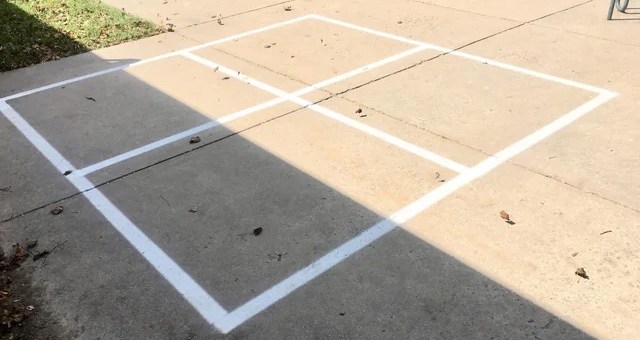
If you haven’t been around student ministry before, one thing you need to know about students is that they love to have fun. Whether it’s playing 9 Square, hanging out with their friends, playing sports or music at school, getting crafty and creative, or whatever else they enjoy, students are always up for having a good time.

Since your students like to have fun (and because we serve a God who created a world for us to enjoy), we can also have fun with them. It doesn’t mean you have to do all the things, but you can engage and have fun with them. Laugh, enjoy your time with them, play as you are able, and celebrate with them.

Having fun shows your students that you’re relatable, willing to meet them where they are at, and someone who desires to share life with them. And it can show them that you don’t take yourself too seriously.

If you want to dig a little deeper into leading students, we invite you to check out more of our blog posts! Here are a few to get you started:

Leading Students Well in Chaotic Times

Quick Tip: Giving Students Ownership

Leading Small Groups: Self-Guided Discussion

8 Keys to Building a Successful Student Ministry

Are You Asking the Right Questions?

5 Tips for Leading Well

What comes to mind when you hear the word “leadership?” Did you feel prepared to step into a leadership role? What does leadership look like in ministry?

I know I definitely wasn’t feeling very prepared when I stepped into ministry. In fact, leadership isn’t something I was taught a lot about in school. Most of my classes were centered on biblical exposition, hermeneutics, running ministries, pastoral care, and things of that nature. Things like leading a team, handling reviews, and balancing a budget were not covered in class. They were things I had to pick up within the throes of ministry.

But as I continued to serve in churches and non-profits, I began to become intimately aware that leadership is more than just being the person in charge. It is about caring for, developing, and empowering your people to lead well.

Most of the resources I gained about effective leadership came from positions I held outside of the church, but can easily be transposed into a ministry context. Today I want to share five principles that have served me well in leading various teams throughout my career.

1. Communicate.

Communication is truly a lost art and it seems to be more so in churches, which is a little odd when you consider that the bulk of our ministry is focused on communication. But good leaders communicate well, often, and clearly. And they don’t communicate just to get their points across but to help them know more and grow in their roles.

Make sure your team and your communities not only hear what you are sharing but also understand what you’re saying. Clarity equals kindness and when we communicate well we help our people step out in leadership.

2. Empower and release.

This is a big step for leaders because it means leading with an open hand and not micromanaging your team. Empowering and releasing your people means trusting them to step out and lead in the way that God has designed them.

At times this may make you feel a little anxious and it may not always go the way you expect it to. But if you continue to empower, disciple, and release your people, you will not only see them rise and flourish, you will see your ministry grow and blossom as well.

3. Embody grace and forgiveness.

When we empower people to lead and give them the opportunity to do so, there will be times people mess up. And it is easy to pass judgement and be critical in how we respond. But that isn’t how Jesus modeled leadership.

When I worked in jobs outside of ministry, we were taught to be harsh in how we responded to our team. We were told to establish our authority and not let it be crossed. But Jesus’s way of leading is radically different.

We are to be servant leaders who model Christ to our teams. That means we embody grace and forgiveness and help our team to flourish even when they mess up. We need to walk with them and challenge them, but not belittle or marginalize them. The church doesn’t need more toxic leadership, it needs grace-filled leadership that models Jesus to our people.

And as a quick aside, remember that this is also true for us as leaders. We will mess up, we will make mistakes. So be willing to own that, to apologize, to seek forgiveness, and look to grow and change. Good leaders not only lead well, they model what they are calling their team to embrace.

4. Grow and develop together.

One thing I’ve heard way too often from ministry leaders is that they don’t need to continue to grow and develop because they have it figured out. Whether it’s because they’ve been in ministry for a long period of time, they have advanced degrees, or they have been to “all” the conferences.

None of those things mean you’ve arrived and know it all. Life, culture, people, and ministry continue to evolve and we need to understand what is happening and be willing to adapt as it does. This means we need to continue growing and developing, and we should be leading our teams in that as well.

Don’t look at this as an isolation role that’s only for the leader of the ministry. Growth and development are key for all of our leaders and we should be helping them to do so. This can be through training, resources, conferences, coaching, peer-to-peer discipleship, coaching groups, or any of the other litany of resources that are available.

5. Have fun.

“Nick, we always know when your team is meeting because it’s loud and you all laugh a lot!”

I remember the first time I heard this and my first response was to shush everyone. But then I realized it wasn’t a critical comment but one that recognized how much our team loves to be together and have fun.

Fun must be an essential part of every team. Whether it’s in how you structure your meetings, taking intentional outings, laughing at dumb mistakes or silly stories, playing games together, or just sharing life, fun is essential because it embodies the life of joy God is calling us to.

Having fun doesn’t mean we aren’t productive. It doesn’t mean we don’t focus. It doesn’t mean we are silly all the time. It means we are embracing the life God has called us to and celebrating it together.

Having fun is something that will not only make you a better leader as it humanizes you, it will make your team stronger and more united as you share life and joy with one another.

What is a leadership tip that you have seen work well in your ministry?

Be Willing to Change

Let me start by saying this: if you know the DISC Assessment, I am a high C/I. That means I love lists, organization, and structure but I also love people and relationships. Now think about that personality as a leader and you can understand that there are things I struggle with because I’m trying to balance between focusing on the tasks or focusing on the people.

In order to try and balance those two things, I tend to hold to well established rhythms, functions, and structures. What I am getting at is this: it’s hard for me to change and it’s harder still to add change into a ministry that has been doing well. The old adage holds true for me: if it ain’t broke don’t fix it.

But pause and consider this with me: is that actually true? Just because something “isn’t broke,” should we not attempt something new? I mean we could hold to the status quo and keep going. We could look at our ministries and say, “this is fine, we don’t need to change.” But does that allow for growth, change, and development? Or are we simply staying put because it’s safe and it’s what we know and are comfortable with.

Last year I did something that pushed me out of my comfort zone. At our last leader training I asked all of my leaders to do a modified SWOT Analysis of the ministry. It was incredibly encouraging and humbling all at the same time. I was able to understand how they saw the ministry, what was working and what wasn’t, and better understand what they needed in order for them and our ministry to succeed.

One of the things they brought up had to do with our trainings, specifically our big fall training that leads into the school year. They explained it felt like an information dump rather than any type of equipping and that it was the same thing year in and year out, which made them not want to come. They desired community, collaboration, and training and they felt like they were not receiving it.

I’ll be honest and share that I didn’t like their response. I had put a lot of time, thought, and effort into crafting the training and thought it was beneficial. I also saw it from the standpoint of having to cover all the necessary items for the year and these were things we needed to tackle.

But after stepping back for a few days, consulting with peers and mentors in my life, and allowing my pride to subside, I began to see that they were right. For the last seven years our fall trainings were all the same and I could understand why they said what they did. My leaders were right. So I pulled our staff team together and we began to brainstorm on what we could do differently.

We came up with a ton of creative ideas and opportunities to invest in our team and to help them grow as leaders. In looking at our leaders we realized that the majority of them have been through our trainings at least two times and know the logistical information inside and out. So we trimmed that part of training down and utilized our informational packet to give them all the intricate information.

We also incorporated team building, spiritual formation, worship, and collaborative training and team work. We themed the training, cut back on the timing, added creative food options and unique favors, and made sure to laugh and play together.

The result: a whole new training that our leaders enjoyed and we excited about. Honestly, this has set a whole new precedent for how our trainings are curated going forward. But the reality is this would not have happened if we didn’t take a risk and implement changes.

Change isn’t something we should do “just because,” but it should be an intentional step to better serve and care for your communities. Change can radically alter and benefit our communities if we are willing to listen, adapt, and be stretched together. The results will be beneficial for all parties.

So, what can you intentionally change to benefit your communities? Are you willing to take a risk and listen to what needs to be changed?

Trip Tricks: Road Trip Hacks

This summer we had two mission trips we went on: one was a couple hours away from our church and our other one was over nine hours away in Kentucky. Both trips were amazing and we saw our kids flourish and grow in their relationship with Jesus and one another.

I could spend countless posts talking about what happened on these trips and all the ways we saw God work in and through our groups. We all know the value of trips and the importance they hold in the lives of students.

However, have you ever stopped to think about the actual drive and what happens during those moments? For years, I would simply hop behind the wheel of a fifteen passenger van and head to a camp or allow the bus driver to drive us to a retreat without a second thought.

But when it comes to ministry, intentionality is key. Even in the seemingly ordinary or mundane moments, we must be intentional with our students and how we engage with them.

This can look different depending on the setting, the makeup of your students, the context of where you are and what you are doing, and what your group has experienced. Today, I want to share with you just a handful of tips to help you make the most of your next trip.

Create different types of playlists.

You know your group which means you have an idea of what kind of playlist(s) you should have ready to go. Whether it’s your whole group together or smaller groups in individual vehicles, creating various playlists allow you to have an appropriate variety of music to play. A couple quick tips for playlists includes:

  • Make sure your playlists are downloaded because there are still places that do not have cell phone service
  • Turn off explicit content. That setting may be on automatically and it could make for some awkward moments.
  • Lastly, make sure you have a good copilot who will potentially be accessing your device for music changes.

Play road games.

These are always a great idea and come in a variety of styles and gameplay. Elise and I love the “Alphabet Game” when we travel long distances. There are other great games that you can find with a simple Google search like these from AAA. These games were stylized for kids and families, but you can easily adapt them for your setting and group dynamic.

Question-and-answer style games are also huge wins because it allows for conversations and for there to be interaction between your group. These types of games can range from deep and serious conversations to lighthearted and fun.

Utilize “Ask Me Anything.”

If you’ve ever driven a vehicle on a student trip, you know how loud it can get. There are some trips when I get back and everyone has left and everything is unloaded, that I just sit in my car for five minutes in silence. But have you ever paused to consider how you could utilize that noise to your advantage?

I love setting up an “Ask Me Anything” because it quite literally sets up a conversation that can and will go anywhere. I’d encourage you to set parameters if needed (i.e. theological conversations, cultural or current event conversations, or get to know you questions) but also be willing to engage with your group. These moments allow for authentic engagement, provide you an in-depth understanding of your group, and help your group get to know you better.

Ask good questions.

This is really key for the driver and copilot or leaders sitting in different positions within the vehicle. Knowing how to ask good, open-ended questions is key to keeping the conversation going and to helping your students grow and mature.

When you are able to engage conversations well, you’ll not only help the conversation to continue but you’ll also get to know your group better. I have found you can simply listening as the conversation develops and interject with questions as the conversation warrants.

This highlights intentionality and that you care enough to engage and listen to them. The key with these questions isn’t to prove you’re right or smarter than them, but to actively engage and walk with your students in an authentic, discipleship-oriented relationship.

Trip Tricks: Carabiners

Trips are an amazing part of student ministry because they allow our students to connect with God and one another in intentional and transformative ways. If you’ve been serving in student ministry for any length of time, you are well aware of how important trips are and how much our students love them.

The thing with trips though is that we need to be intentional with them to afford our students the best possible experience that ultimately helps them grow in their relationship with Jesus.

The purpose of this new series, “Trip Tricks,” is to share specific ways we have learned to do this over the years. These are not a one-size-fits-all approach, but instead suggestions that can be molded and shaped to fit your program and student demographic.

When I started working at my current church I inherited a variety of things. Some I kept and others I didn’t. One of the things I kept, and am forever grateful for, are carabiners.

Now you may be wondering, “why on earth do you need carabiners for student ministry?” And no, I am not taking my students rock climbing, although that does sound like fun.

Carabiners are our way of engaging in intentional community and encouragement on trips. They provide students and leaders alike an opportunity to get to know new people and build authentic, biblical community as they grow together.

Allow me to explain. Carabiners are simply the tool we use, and you can utilize any other item for this. We take a bunch of small carabiners and a special memento that we clip to it that has one of the individual trip member’s names on it.

We purchased wooden keychains that have our student ministry logo on it and on the backside we created a sticker via Canva with each person’s name, trip, and year on it. We printed that off on sticker sheets and all of a sudden we have a keepsake for each person.

We then connect each keychain to the carabiner and attach all the carabiners to a holder. The next step is setting the stage.

On the first day or night of the trip we explain very simply what the carabiners are by saying something like this: “Each of you has a carabiner with your name on it that you will be able to take home at the end of the trip. During the trip, you will be getting someone else’s carabiner and your job is to get to know them because we will take time each day (or however often you want to do it) to encourage one another in our group.”

This is a little stretching for some people because it may mean meeting new people or getting stretched outside of their comfort zone. But affording your team an opportunity to build intentional and authentic relationships by encouraging and caring for one another will help your team flourish.

Here is how you can start your share time: have everyone sit in a circle and simply ask for a volunteer, pick someone, or lead by example. Each person will say who they have and then speak words of encouragement and affirmation into their life. Then they hook their carabiner onto the holder and pass it to the person they just encouraged. This continues until everyone has gone.

Now if it doesn’t go in a perfect circle and someone gets called on who already went, we allow them to choose who goes next. Once everyone has shared, you can hand out the carabiners again but make sure everyone gets a new name that isn’t their own.

Typically on a weeklong trip we try to do carabiner sharing at least five times. But that is how our group does it and it is subjective to the group and trip dynamic.

I’ll be honest, the first few times your group does this may feel a little awkward or indifferent. But the more you embrace it and lead by example, the more impactful this time will become. You will begin to see a culture and relational shift among your team as they begin to engage in Christ-centered ways.

The whole point of carabiners is to draw your team closer as they embrace the authentic type of relationships that God desires for us. As they begin to understand what true, authentic, biblical community is about, your team will draw closer together and crave more of what God desires for us.

Fun Game Ideas for Student Ministry

If you’re like me, games may not be your primary focus each week. I am not saying games are bad; I think they are a necessary and important part of student ministry.

But if I’m being honest, I don’t always think about them because I am not always wanting to lead games. I’d prefer to engage in conversations and just float around while interacting with students.

But, since I know how important games are, I wanted to share some ideas with you that are fun, easy to run, and do not take up a ton of prep time.

The Floor is Lava

This is an old school game that has been having a recent resurgence. If you aren’t familiar with the rules, the game is fairly simple: do not touch the ground or you are out.

The object of the game can vary from completing tasks like collecting objects or moving a team to a safe zone, to completing an obstacle course, to a last person standing challenge. The game can be as creative as you can imagine and will allow various people to play.

Seated Basketball/Soccer/Football

This is a personal favorite of mine. These games take the traditional sports we love and turn them on their heads. You do not have to be super athletic to play these games because you are seated the entire time.

Before you start the game, set up your playing area whether it is indoors or outdoors. Simply place chairs where players will sit the entire game or period and label which team they are for. Then have your students pick a chair and get ready to laugh.

The rules are the same for whatever the game is with one addition: students cannot move from their chair. Have leaders roaming to place the balls back in play when needed. You can also change up the rules and objectives to add another layer to the games.

Hula Hoop Volleyball

This is an easy game to set up and run with. Simply set up a volleyball net, or something in place of it like a sheet on a clothesline, and then place hula hoops on each side that are six feet apart. The rules for volleyball don’t change, except that students may not leave their hula hoop during the game unless it is to rotate spots during a change in servers.

Scattergories

This is a great game to play as a small or large group. You can do a quick Google search for categories and then run the game during youth group. You can simply click through the Google images to get ideas or check out a website like this one.

If you are playing as a small group give everyone a score sheet and have them all compete against one another. You or a leader will assign a letter and have the students write words beginning with it.

If you have a larger group, consider setting this up tournament style. Have students all compete with same letter and then when time is up they will compete only against the other person at their table. The winner will advance to the next table, while the loser stays at the table. If there is a tie have them play Rock, Paper, Scissors to decide the victor. The person with the most wins at the end is the champion.

Cornhole/Bags Tournament

If you do not have a couple sets of these for your youth ministry, let me highly encourage you to get some. I have purchased these before and they have held up very nicely.

You can turn it into a tournament to decide who is the best cornhole player. You can also set up varying degrees of game play (i.e. closer or farther away) to make it more of a challenge for your students.

Charades

Who doesn’t love a classic game of charades? The general idea is that you will have someone acting out an action, character, or activity that they have pulled from a hat. These can be pre-made by you and your volunteers or you can have students submit them.

There are lots of different ways to play Charades like as small groups guessing, or as a large group guessing, or even reverse charades where one person guesses while the whole group acts it out. Whichever one you choose, make sure to remind the people acting out that they can not make noise or they forfeit that round.

Head, Shoulders, Knees, Cup

Have you ever played head and shoulders before? You know the one with the classic song? It’s an easy game because you simply need an emcee up front who calls out what everyone needs to do. If they say head, everyone touches their heads. If they shout knees, then everyone touches their knees. In this version two people are facing each other with a cup on the ground in between them. The object of the game if simple: follow the directions and then when the emcee yells “cup,” both players try to grab the cup. The one who doesn’t get the cup is eliminated and the winner finds a new partner to compete with. Bonus tip: make sure there is enough distance between the players so they don’t bump heads when going for the cup.

Pull Up

All you need is a sound system and music, and someone who can start and stop the audio when needed. Have your group sit on the floor in a circle facing inward. Then choose an odd number of boys and girls to be in the middle. When the music starts the students in the middle must go to a member of the opposite gender, extend a hand, and “pull them up”. They then sit in the open spot and that new student in the middle continues by pulling up a member of the opposite gender. This continues until the music stops and the gender with the most people in the middle loses. Play for as long or short as you would like.

Drip, Drip, Drop

For this game you need just a little bit of prep: paper cups and water, and some towels if playing inside. I’d encourage you to play outside so you don’t have wet carpets. Have your students sit in a circle facing each other much like Duck, Duck, Goose. Pick on player to be it. They stand outside of the circle and are given a cup with a small hole in the bottom. Have them place their finger over the hole. When they start they go around the circle saying “drip” and dripping a small amount of water on the students’ heads. When they yell “drop” they turn the cup upside down on the person and have to run around the circle while being chased by the person they dropped on. If they make it to said person’s spot they are safe. If they are tagged they are it again.

Egg, Chicken, Dinosaur

This is a great alternative to Rock, Paper, Scissors and is really easy to pull off. Explain how to play Rock, Paper, Scissors to the group. Then explain that in this game you can only play with people who are the same as you: i.e. an egg, chicken, or dinosaur. Eggs can only play eggs, chickens can only play against chickens, and dinosaurs against a dinosaur. The kicker is they must walk or waddle in a manner that is befitting of an egg, chicken, or dinosaur. Participants all start as eggs. They must find another egg and play a best 2 out of 3 round of rock, paper, scissors, and if they win they become a chicken. When a chicken wins they become a dinosaur. If they lose a round they go back one level.

Lightsaber Duels

Participants must place one hand behind their back. They will then join in a battle with another person by locking their one hand with the other person’s hand. Students will then extend their pointer finger as their lightsaber. When the music starts they attempt to touch their “lightsaber” to the other person. They can “zap” them anywhere but they cannot bend their finger to complete a touch. If they are zapped they are out. The winner keeps advancing until only one remains.

Bucketball

This game requires some prep and a few quick items. Make sure you have buckets, cones, pinnies/colored shirts, and balls on hand before you play this game. For set up, place a bucket in the middle of a ring of cones for each team where one player (the scorer) will hold the bucket (approximately three feet in each direction from bucket to cone).

Divide your students into groups (we usually just do two but having more groups makes it interesting) and assign each group colored pinnies. The game is played in the same manner as ultimate Frisbee where the students must pass the ball down the field and are only allowed three steps with the ball. Points are scored by players throwing the ball (after three or more passes) to their scorer. The scorer will hold the bucket within the ring of cones and attempt to catch a ball in the bucket. Only balls that stay in the bucket count. The scorer may not go outside of the cone ring and the defense and offense may not go inside the cone ring. Feel free to add as many balls to the game as you would like.

Seated Basketball/Soccer

For this game you need a few items: chair, pinnies, balls, and extra leaders or students to collect stray balls. This game is played just like soccer or basketball in that the goals are the same which means you obtain points how you would normally (i.e. kicking a goal, making a basket). Divide your students into two teams and give them their pinnies. If you are playing soccer have the students remove their shoes to prevent potential injuries from kicking one another.

Have your students then grab a chair and give them 15-30 seconds to place their chair. Explain that this is the only place they may sit for the first half/quarter. Once they sit they may not move from that spot. When everyone has sat down introduce the balls for the game and explain that students must remain seated all the time, and failure to do so will put them in a penalty box. Explain that if no one can reach a ball it will be placed back into play by a leader. Assign times for your halves/quarters and then when a new one begins allow students to find a new spot to sit.

Cat and Mouse Tag

Have students pair up and link arms at the elbows. I would recommend not allowing them to hold hands or wrists as it can lead to injuries. Pick two students to start the game. Explain that one will be the cat who is it and will chase the other student who is the mouse. At any point during the chase the mouse can link up via their arm with a group and the person who is now on the outside is the new mouse. If the mouse is tagged then the roles are flipped and they are now the cat, and the cat is the mouse.

Death Sticks

Take some pool noodles and cut them in half and have your students each grab a chair. Place an odd number of pool noodles on an equal number of chairs in the middle of a large circle of chairs that your students make. Have each student sit in their chair. Then chose an odd number of students to stand in the middle that is equal to the number of chairs with noodles. Explain that this is a guy versus girl game (or however you would like it to be) where when the music starts the guys must take the noodle and bop a lady on her legs, and ladies must do the same to guys.

Once someone is bopped the person with the noodle must return the noodle to the chair they took it from (no throwing it must be placed) while being chased by the person they bopped. If the person who was bopped manages to retrieve the noodle when it placed down and bop the person who bopped them before they sit down in the vacant chair that person returns to the middle. If they cannot they are now in the middle and can bop someone. Winning team is the team with the least of their gender in the middle. And remember that a bop is a soft hit, not smacking someone hard with the noodle.

Quick Tip: It Never Hurts to Ask

“Hey Nick, if you ever need any candy for youth group, all you need to do is ask!” I’ll never forget that conversation with, at that time, a new leader for our middle school ministry. From that point on any candy needs we had, he covered them.

Whether it was providing candy for special events, chocolate bars for s’mores, or just a bag of candy on my desk as a thank you; candy was simply an ask away. But you know what that simple conversation helped me understand? All I needed to do was ask if I had a need.

But here’s the thing: in the past, I have struggled to ask when there’s a need. Whether it’s a pride thing, comfortability, a lack of awareness, or a combination of all the above, I struggled to ask.

Now guess what? When I started to ask, when I shared what our needs were, our church community rallied to our cause. I would never have considered asking about candy being provided, even though we live in an area that has multiple chocolate companies just down the street from our church. But because a volunteer approached me with a way to meet a need, it helped me remember something: the church is in this together and they want our young people to succeed.

So what could you ask for? Of course we all jump to volunteers because that’s what we all need. But what if we saw beyond that? What if we asked for people who would be willing to open their homes or prepare a meal? What if you shared needs for supplies and resources? What if you simply asked?

Over the past couple of years we have begun sharing our needs more openly and it has provided us with so many amazing new relationships, community engagement, and ways to better bless and care for our students and leaders.

Here’s the rub: asking someone for something isn’t bad. It is a huge asset and a way for the church to be the church. But even if the request is denied, remember to say “thank you” and don’t let it defeat you. Keep asking. Keep sharing the need. And watch what God will do through the church body.

5 Ways to Listen Well

Have you ever been a part of a conversation where it was obvious that the other person wasn’t listening? Perhaps you noticed a glazed look that came over the other person. Or maybe you were able to tell that you weren’t heard by the response the other person gave. Did someone continually try to tell you how to fix the problem but didn’t actually know what the problem was because they never let you fully share what was happening?

I think many—if not all—of us have experienced a time when we weren’t heard. But allow me to pose a different question within the same topic: have you ever been guilty of not listening well? Hits a little different doesn’t it? If we were all to take a deeper look into our own interactions we may notice that we are just as guilty of not always listening well.

So the question before us is simple to state but perhaps more complex in the intentionality we must implement: how do we listen well? I want to share a few simple ways to do this, but also to highlight that these aren’t fix-alls. It starts with our heart and intentionality in building authentic relationships that honor and dignify both individuals as we seek to reflect the love and personhood of Jesus.

1. Listen to understand not problem solve.

If you’re like me, you may be someone who wants to fix whatever problem you are given. However, some people just want you to listen, understand, and empathize with them. When we listen to fix the problem we will miss what the actual problem is, we devalue the other person by not actually listening to them, and we are looking to make ourselves the hero rather than just a friend. Instead we should listen to understand which values the other person and builds trust and rapport between both of you.

2. Ask clarifying questions.

Listening well means you are seeking clarity and understanding. In order to accomplish that well, we need to ask clarifying questions. This highlights that you were listening and that you truly want to understand what is happening as you walk in community with the other person.

3. Allow people to finish their thoughts.

I find myself often wanting to jump into a conversation before I should. I assert my thoughts before the other person has finished talking. I try to finish other people’s sentences, and I try to discern where the conversation is going before it actually arrives at that point.

But there is an inherent problem in all of these above things: it tells the other person their perspectives, thoughts, and insights do not matter because you have it all figured out. It actually devalues them and elevates us. Instead we should seek to truly listen and allow others to fully articulate themselves as we seek to understand.

4. Be fully present and not distracted.

It is so easy to get distracted during conversations. There’s things happening around us, different noises, technology, phones and watches buzzing, and a litany of other things competing for our time and attention. Many of us have experienced people being distracted while we talk to them and we know how that makes us feel. That means we should strive to do the opposite as we care well for our people.

We should be present and do whatever we can to minimize distractions. That can be switching on “do not disturb” on our devices, shutting a door, putting our backs to distractions, or anything else that will help us to focus and be present.

5. Be responsive.

When we are actively engaged in listening well, we should show that in our actions, reactions, facial expressions, and verbal responses. When we respond to what people say, it helps to highlight our engagement and attention to the other person. This comes through our body language, shifting our positions, leaning into the conversation, giving verbal responses, appropriate emotional responses, and making sure we are looking at the other person.

The more we listen well the more we will see our relationships flourish and grow in authenticity as we seek to love and value others.