Don’t Forget to Have Fun with Your Students

One of my eighth grade guys loves to rub my head. It’s become a running joke that he will try to sneak up on me and rub or pat my head before I notice him.

Many of my other students love to joke about my gray hair and my “advanced” age. Still others will laugh about my weak ankles and knees. And there’s a handful of students who love to point out that my clothing choices tend to repeat themselves.

There are two responses I could have in these situations. One, I could get frustrated with the joking and shut it down. Or two, I could laugh and have fun with my students.

At the end of the day, their joking doesn’t bother me much and it highlights their comfortability with me and our program. I could choose to be a stick-in-the-mud and respond in an authoritarian way, but I know that will not make our program into what we want it to be: a safe place for our students to be themselves and know Jesus.

In our ministry we are clear on boundaries and rules, especially when it comes to how we engage with and treat one another. This means that when things get pushed too far and we respond to it, our students understand that they stepped over the line.

But here’s the thing: we can still have fun within those boundaries. We can still laugh at what our students say and do when they’re trying to be funny. We can chuckle at the immaturity and lack of self awareness. We can be relaxed and laugh at ourselves along with our students. The other side of the coin is that we could take things personally and try to shape the program and interactions in a way that keeps those moments at bay.

I would recommend the former over the latter because it creates a place where students can be authentic and simply be kids. We were all immature in middle school and high school, we all made jokes, we probably all said something a little out of pocket at some point.

As adults, we should remember how we acted and instead of crying foul and trying to just shut things down, we should instead take a moment to laugh and show students how mature adults can engage, have fun, and respond.

When we can have fun alongside of our students, we are showing them that we see them as more than a number or a child to be watched. We are showing them that we truly value and desire intergenerational discipleship relationships. We are highlighting that we can have fun and engage with them while valuing them and not dismissing them because of their age.

These types of moments create safe and healthy environments for students to be themselves, connect with safe adults, and be shepherded towards Jesus as we all take time to have fun together.

Here is my encouragement to you:

1. Allow your students to be students even if it means a little immaturity, random comments, and lack of self awareness.

2. Laugh along with (and sometimes at – of course not in front of them) your students and what they say or do.

3. Don’t take yourself too seriously and be willing to have fun and take a joke or two.

4. Create an environment that values fun and joy for everyone involved.

By incorporating these elements I cannot guarantee that your program will be perfect but that there will be a lot more joy, laughter, and community within your ministry.

Resource: A Fun Christmas Party Activity

This year at our Christmas Party we are bringing back an activity we took a risk on last year because it paid huge dividends. The activity: decorate your own Christmas t-shirt with the opportunity to win a prize for your small group.

Last year we went with Christmas hoodies but that proved to be cost prohibitive, so this year we switched to t-shirts. The excitement, expectation, and energy this competition created has blown us away, and so we want to share this with you as a resource you could incorporate into your Christmas parties.

The objective: Create a Christmas-themed t-shirt that will impress the judges and allow your team or small group to win the prize.

The rules: Teams or small groups must design and create a Christmas-themed t-shirt using only the elements on their table. They cannot bring in any outside elements. Teams may exchange items with the game host if there are additional items available. Teams will have a set time to create their shirt and when the time ends, a member of the team must be wearing it.

Penalties: Teams lose points for using outside items, not having the shirt on at the end of the build time, having items on the floor (trust us, your facility team will thank you), not listening, or whatever else you’d like there to be penalties for. The judges can choose how many points to deduct for each offense.

Judging: Each person wearing the t-shirt gets 30-60 seconds to present (think runway style) their group’s design and explain why they should win. Judges will confer and choose the team they think has won. Judges can use scorecards to rank the teams in different categories (most unique, most likely made by someone’s grandmom, most over the top, most annoying, etc.) on a scale from 1 to 5. Judges can deduct points throughout the competition for penalties.

Prizes: We decided last year to incorporate a prize that we could reuse each year that would allow students to have a lasting legacy at our Christmas parties. We found an inflatable snowman that we have the winning groups sign with markers. We bring it out each year for everyone to see past winners and for the new winners to sign.

Variants: We are incorporating a new element this year. Teams can win advantages by participating in two additional competitions. The first competition is a lookalike contest where they need to do their best to look like a member of our student ministry team. The winners of that competition receive a golden gift box of extra supplies that only their team can use. The other competition is the team who brings the most first time guests gets a time advantage.

Supplies: We use large or extra large t-shirts with a variety of decorations including bells, tinsel, ornaments, bottle brush trees, fairy lights, jingle bells, pipe cleaners, bows, ribbon, and any other fun dollar store or Amazon items. We also make sure to have glue guns and glue sticks to attach the items, and we found these for a good price on Amazon a year ago. Lastly, we got some multicolored fabric markers to allow teams to draw and write on their shirts. The key is utilizing fun elements that are inexpensive.

Quick Tip: Have Fun

There have been moments on a Wednesday night or Sunday morning for me when all I can see are the tasks, objectives, and the schedule. I can get hyper-focused on trying to get things accomplished and staying on task that I just lose sight of the bigger, more important aspects of student ministry. One of the things I can miss is “having fun.”

I can blame this on my personality (I am an I/C in the DISC) or a litany of other things, but I know the nights I miss out on the fun because it feels like things just didn’t work. When we miss out on the fun, we miss out on relational opportunities, conversations, and bridge-building moments with our students and leaders. When we have fun it makes us more approachable and relatable to our students.

It’s easy to get caught up with accomplishing all the tasks and focusing on any of a variety of circumstances that demand our attention. But should we miss having fun in our career and ministry, we will surely miss out on the beauty of what God has called us to.

So in thinking about having fun, here are few key things to remember:

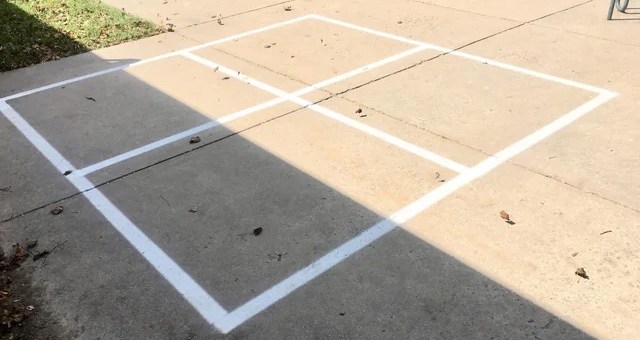
  • Laugh often. Tell jokes, laugh at yourself (especially when you get spiked on in 9 Square), be willing play with your group, and smile often. The more you laugh, the more fun you’ll have.
  • Don’t take things or yourself too seriously. Yes, you are a leader and yes, you are entrusted with walking with your students and volunteers, but remember the relationships are key here. That means while you can take your job and calling seriously, you don’t need to do the same to yourself. Keep approaching students at their level, don’t be so pulled back they can’t relate, and be willing to just be a part of your community.
  • Be willing to be yourself. Students don’t want or need someone who isn’t being themselves or is trying to emulate another person. They want you, and you are unique and special. So bring your personality, your humor, and your joy to the table. When you can be you, you can truly have a blast!
  • Remember who you work with. Students are hilarious! If you didn’t know that, here’s a friendly heads up. They say and do things that are absolute hysterical, whether it was intentional or not. You never know what they will say or do and that leads to some memorable moments that will make you laugh (maybe even out loud).

How to Make Leader Training Fun

Let’s be honest for a moment: we have all been to a training session that has been boring. It could’ve been an information dump, a boring speaker, stuff we knew, or the environment was not conducive to training, which made us fall asleep. I’m not saying I have done that, but I’m also not saying I haven’t.

The reality is, we all have experienced a training that has made us want to fall asleep or has bored us to tears. Now let me ask you a question: what would people say about your training sessions? Are they boring or are they fun? Do people enjoy going to them or do they treat them like the plague? Have people fallen asleep during your trainings or are they engaged?

We must seek to make our training sessions fun and beneficial. The more fun elements you include the more people will engage and buy-in to the training because they are enjoying themselves. So what are some quick and easy ways to make training fun?

Theme the training.

A theme is something that I’ve only recently started to incorporate. A couple of years ago one of our church staff members asked me what type of theme our training had. To be honest, I was a little embarrassed to admit I’d never thought of that. But after listening to this staff member, I began to understand why a theme is important. It shows that your team is valued and needed, it makes people feel seen, it makes the training more inviting and engaging, and it brings fun into the mix.

You don’t need to go all out, but you could if you wanted to. The theme could be as easy as searching Pinterest for ideas and doing what you’re able to do in light of your available resources. Consider searching for “teacher gifts” and using that as a launching point. This year we took the theme of “You’re crushing it” and added a note to Crush sodas for each leader. We continued the theme by getting clementines and jelly fruit slices to put out on the tables. The theme was also carried into our PowerPoint and notes we handed out.

Provide food.

Food is a must. You don’t need to provide a full meal if you aren’t able to, but even having snacks or treats on the tables elevates the training and valuing of your people. We always try to center our trainings around a meal because it lowers walls and fosters conversations, and it shows our people that we care about them. This could be as simple as pizza from a local shop, a home cooked meal, or small bags of chips and candy on the tables.

Play games.

I don’t know about your leaders but mine tend to be hyper-competitive, even more so than our students sometimes. We know they love to laugh and have fun, so whenever we can, we try to incorporate a game for them to play. Sometimes it’s a PowerPoint game, other times it’s a game like charades, or even a team-building game. Whatever it is, I would encourage you to play along, laugh with them, and have some sort of prize for the winner. This makes it more engaging and highlights that fun is a value of your ministry.

Utilize conversation and collaboration.

Training sessions where the speaker drones on and on get a little bit monotonous. Okay, a lot. So when you break up the speaking and engage with your team and invite them into the conversation, you’re opening up collaboration which values and affirms them. Think about breaking people into groups and asking the groups to share with the large group after they have finished. Allow for feedback on topics from your team. Open up the floor for Q&A. These types of moments are critical to not only making your training successful but for valuing your people and helping them to know that they are a part of the team.

Bring in new skills.

Doing the same training over and over again can get, well, boring. I get it, there are some things we have to train on all the time (i.e. safety measures, protecting students from abuse, background checks, transportation, etc.), but we also should bring in new aspects to leading well that can help our leaders continue to grow and flourish.

Think about spiritual gift assessments, personality training, studying the Bible, training on cultural trends and narratives, navigating difficult relationships, dealing with misbehaving students, handling a crisis, soul care, and leading well. All of these are simply starting points but the more we seek to equip and train our leaders with new skills, the better suited they will be to love, lead, and care for their students.

Don’t always be the trainer.

This is a big piece of training. You don’t always have to be the trainer! Bringing in new voices will not only help people hear things in a new and exciting way, but you are also bringing in people with different skill sets and expertise that you may not have. This could be another staff member, a community member, a counselor, a volunteer, a leader in the community, or whomever else would be beneficial to help your leaders grow. My only caution is that you make sure they know your vision and mission and that what they share aligns with your values.