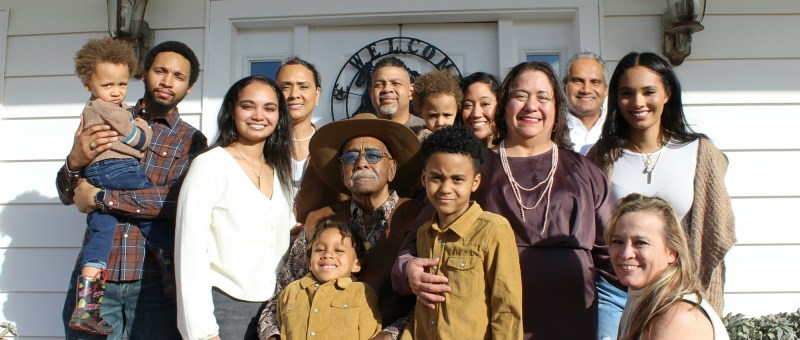
Quick Tip: Don’t Forget Your Family

Ministry is an interesting career for a variety of reasons. We work weird hours. It’s really difficult to explain what we do. Weekends don’t exist in the traditional sense. We are highly involved in people’s lives. We have one to two days a week that are bigger than all the others. Two days out of the year are like our Super Bowl. Our phones and emails always seem to be going off. Work never seems to be done because something always comes up and discipleship never stops.

But let me ask you a question: how often do you bring work home? Or perhaps the question is better asked this way: how often does work distract you from or take priority over your family?

Please understand I’m not trying to call anyone out or be critical. I am trying to challenge our perspectives and to make sure we are focused on where we need to be first and foremost. We have to remember that our priorities fall in this order: God, self, spouse and family, community, and then church. You may read that and want to push back, and I hear that. But why? Why do you want to push back?

I think it’s often because our systems and priorities are out of order. The reality is our relationship with God is our first priority and then the outflow has to be to our primary relationships which are our families. Community should be next because I would argue if we can’t care well for our immediate communities, we have no business caring for a larger church body.

But the point of this post is to challenge all of us to keep our priorities in check, specifically with our families. When we are home, our family should be our focus. We should leave work at work. Our laptops shouldn’t come on vacations. Phone calls shouldn’t interrupt family time.

This may seem hard, but we need to honor our priorities in the right order. That means we need to share our priorities with our staff teams and church. We need to ask for help and accountability. And we may need to take bold steps like turning on “do not disturb” or removing email apps from our phones. Taking these steps will help us grow closer to our families and show our spouses and kids that they matter the most to us, as they should.

Now I get it. There are always exceptions. But don’t make the excuse that exceptions are the norm. Never sacrifice your family for church. The church will always exist without us, but our families won’t.

At the end of the day, the question we need to ask ourselves is this: am I the husband/wife my spouse needs me to be and deserves, and am I the father/mother my kids need me to be and deserve?


Make Room for Leaders of All Generations

I’ll admit, when I started to work in youth ministry the key idea for recruiting volunteers was to find the young, cool, and relatable college students or young adults. It seemed the mentality was “have cool young people leading and it will attract students to your program.” As I have been serving in student ministry I will admit that my personal philosophy and desires have evolved in this category.

I believe having leaders of multiple generations serving in student ministry isn’t just something we should be doing, but is essential in the discipleship process of our students. Different generations of leaders offer different perspectives, insights, skills, relational connections, maturity, and abilities to speak into students’ lives. Older generations have a better understanding of navigating life and its challenges while younger leaders can engage with the “here-and-now” parts of our students’ lives. Both of those generations are necessary and important for our students to help them grow and mature in their lives and faith journeys.

But how do we do this well? How do we not only encourage various generations to serve but also encourage our students to engage with them?

Start by highlighting the need.

Make sure people know there’s a need. Those of us who work in student ministries know there is a huge need for loving and capable adults to serve. But does your church know that? I’ll be honest: I’ve assumed this before but the truth of the matter is that people may not know.

I was talking to some elders a short time ago and as I was explaining what was happening in our ministry one of them asked me this question: Do you have enough leaders? I chuckled and said no, and they were shocked. The reality is that even our leadership may not know that we need more help.

To help people take a step of faith and serve, you must highlight the need. Talk about it. Share stories. Point to what more leaders could accomplish. The more you share the need, the better the opportunities for recruiting new leaders.

Extend a personal invitation.

In as much as I would hope this would happen, people don’t typically show up at my office asking to serve. I’d love that to happen but it only has a handful of times. The way I have typically recruited people is through a personal invite.

Reach out to different generations and ask them to serve. Take them out for coffee, explain the need, share why you are asking them, and ask them if they’d be interested. The more you can care for and invest in people, the more likely they are to jump in and serve alongside you.

Explain what different generations bring.

I love talking to people who think they are “too old” to work with students because I get to point them to the truth that they aren’t too old. Sure, as we age maybe we can’t play dodge ball or 9 Square as much (or ever), but that doesn’t mean we are dismissed from serving.

Students crave authentic, Jesus-centered, interpersonal relationships with adults, and I have found that older generations tend to be amazing at doing this. I love watching people in their 60s and 70s sit with students, listen and share stories, love them well, and show up at important moments in students’ lives. When you can highlight the importance of inter-generational relationships and the skills, insight, and wisdom that different generations bring, you will help to ensure that they see value in serving.

Show ways generations can participate and serve.

This is key in encouraging different generations to serve. We have different areas that people can serve and I would encourage you to think about places where people can step in. It may mean we have to think creatively or create new opportunities, but doing so will help your ministry to flourish.

These areas can include small group leaders, mentorship roles, managing the cafe or kitchen areas, helping with administration, teaching, mentoring and shepherding your leaders, leading training sessions, or any other areas where you see a need.

Create opportunities for generations to serve together.

Don’t isolate generations or have them serve in silos. Instead incorporate different generations throughout your ministry. Have leaders serve together from different generations, allow various generations to disciple and speak into the lives of your students, have all generations at training, and show equal value and worth to all generations.

This may seem like a “duh” reality, but our culture doesn’t always allow different generations to share life together and that can, at times, seep into our ministries. We must be intentional in creating opportunities to serve together and thinking about how our ministry is actively doing so.

Quick Tip: Remember Your Neighbors

It is fairly easy for church staff to get focused on their ministry and church because it’s where they work, are involved, and the place that host the people they care for. But if we take a step back and look, we will see that there are other areas in our lives where we should also be invested. The place your spouse or family members work, your neighborhood, your friend group(s), or places and businesses you frequent are just a few of the areas you can and should have an impact in.

We have an opportunity, privilege, and a calling to reach people in all the spheres of which we are a part. Over the course of our marriage, Elise and I have seen these additional areas as opportunities to love and care for others in a variety of ways. When we lived in Iowa, we were able to help neighbors shovel their driveways or get their cars out of snow banks. We also were able to help people with moving when I had a pickup truck we could load up.

Living where we do now in Pennsylvania, we have been able to get to know our neighbors and community even better and God has blessed us with opportunities to care for them. One of our favorite ways to do that comes during the Christmas season. We bake for our neighbors (including the staff at our local pizza shop), deliver the baked goods, and visit with them. It’s looked different year to year. Some years we use pre-made cookie dough or cinnamon rolls, other years we make the cookies from scratch. We’ve delivered rice cereal treats, and this year we may add candied nuts as well. It has become a tradition we love because we get to show our community that they are loved and remembered.

The point of this post though isn’t just to do things at Christmas, but instead to help us all think about how we can care well for the communities of which we are a part. It doesn’t have to be extravagant or involve things that only “people with money” can do. These are simple moments we can utilize to love and care for people and can be as simple as helping someone move, clean up a yard, deliver cookies or a meal, or simply visit with neighbors. This season, and this coming year, let’s make sure to remember and care for our neighbors!

Quick Tip: Gingerbread Houses Remix

We just had our leader Christmas party this past Saturday and it was a blast! We had wonderful food provided by families in our ministry, we spent a good amount of time in fellowship, we shared stories, and played games. One of the games we did this year was a gingerbread house decorating contest.

Now I’ll be honest: we have done gingerbread houses before for both our leaders and students, and here’s what I learned. It takes a lot of prep time, you need to buy a lot more items for decoration including icing, it takes up a lot of time, it’s messy, and it can be frustrating for different teams or individuals.

So when the idea was floated that we should do it again, I’ll admit, I was skeptical at best. But my teammate shared that she had an idea that would make this go over well and by way less difficult than before. And let me tell you, she was right! Our leaders had a blast doing it and their creativity, story telling, and humor was on full display.

Now I know you’re anxiously wondering what we did, so here it is. We did cardboard gingerbread houses. A quick search on Amazon will bring up a variety of styles, sizes, and purchase options for you to choose from. The ones in the link above came with some decor but we quickly realized it wasn’t enough, so we bought more items to go with them. We purchased pompoms, pipe cleaners, stickers, markers, tiny presents (ones for dollhouses), little trees, and fake snow.

We packed up the unmade houses and supplies into baggies for each team and gave them fifteen minutes to build their houses. We then allowed each team to present their house to the judges and the stories we got for each home were just as unique as each of the houses.

All told, we spent less than $150 for 12 houses and additional supplies. We probably could have spent even less if we had shopped for the supplies at a dollar store, but time was not on our side for that. This is a great alternative to spending lots of money on an activity that could get fairly messy and would require significant prep work. I would recommend this to anyone looking for a fun new, yet timeless, Christmas activity.