Elise and I have each been in youth ministry for twenty plus years. That’s crazy when we step back and think about how things have changed during that time. Technology has evolved. How youth groups do things has changed (bye-bye “Fear Factor” challenges). Styles and culture have changed. Students are walking through more difficult things.
Have you seen how things have changed and evolved over the last couple of decades? What about over the past five to ten years? The reality is that our culture and what our students are walking through has changed drastically and will continue to do so. But with that can often comes a feeling of ineptness for ourselves and our volunteers.
If you’re like me you may remember the first time a student came to you about a new issue you hadn’t been taught how to respond to. Maybe it was about eating disorders or disordered eating. Perhaps it was about sex, sexuality, and gender. Maybe it has to do with cutting and self harm. Or was it the time a student talked about the reality of their mental health and how it was affecting them.
Do any of these sound familiar? Have you ever had a student come to you with these issues or any of the litany of others we deal with? Here’s the thing: many of us have had some type of formal training if we are on church staff. Whether it was a single semester class, listening to podcasts, going to conferences, or additional resources at your disposal, you probably have more knowledge than some of your lay people when it comes these issues by nature of your role and responsibilities.
That is not a slight against our volunteers, but instead a challenge for us to be aware of what our people need. Typically, those of us who are leading ministries have more knowledge and awareness of issues or we know what resources to utilize when needed. The majority of our volunteers may not have the same knowledge or background and because of that we bear the responsibility of helping to resource and equip our people.
With that responsibility in mind, we should do all we can to help our people when different issues or circumstances arise. I understand that for many ministry leaders, paying for resources may not be feasible each year or at all. The resources you stock don’t necessarily have to be resources that require you to pay for them.
You could download and print out articles to share. Podcasts are an easy option to resource to your leaders. Websites like The Bible Project have videos, articles, and more for your leaders. Some national ministries may also be willing to send you resources at a discounted rate or for free if you reach out to them about your circumstances.
If you are able to purchase items for your leaders here are some ideas for what you could utilize to resource them.
Study and Journaling Bibles: Having study bibles or journaling bibles for your leaders and students to utilize in small groups, discipleship relationships, or for individual study are great resources.
Bible Study Resources: Equipping your leaders with resources to help students study the Bible is a huge win. This will help your leaders feel prepared and ready to walk with students through God’s Word and help them understand it.
Bible Studies: We love She Reads Truth and He Reads Truth for all of their materials. Their Bible studies are great for students because they don’t speak down to them or try to be hip and cool. Instead they offer topical, whole book, and character Bible studies. While these may seem a little costly you can get digital versions for less and if you subscribe to their emails, you can watch for sales including their clearance sales when books are significantly marked down.
Topical Books: If I have learned anything throughout my years in ministry, it’s never be surprised by the questions you are asked. Whether from students, parents, or leaders, the questions will always be there and they will span a wide swath of issues and circumstances.
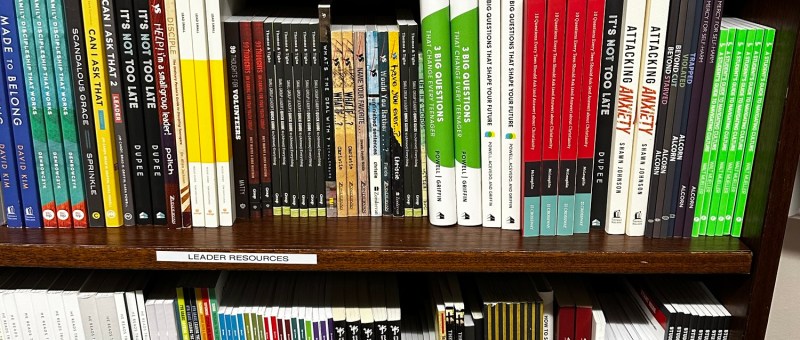
With that in mind, we have curated books on a variety of topics to help people think through and navigate different issues. We have books on mental health issues, books on hot button issues in Christendom, books about identity, books on community, small group leading, and more. Basically if we saw a book that would be helpful, we allocated part of our budget to begin building a library of resources.
Scriptural Citations and Resources: One thing we have started to accrue over time is a running list of Scripture references for a variety of issues. So often students are looking for answers and ask “what does God think about this” or “what does the Bible say about that.” Having a running list of references allows us to resource our leaders and to point them toward what the Bible has to say.
What resources do you make sure to give to your leaders?





 kalosministry.net