
Have you ever had something unexpected happen on a trip? Perhaps it was a vehicle issue, sickness or a hospital run? Maybe allergies spiked due the work you were doing or bee stings, housing arrangements not working out, or a variety of other circumstances.
I’ve personally experienced all the above and then some during the trips I have been on. Some of these issues you can handle in kind but others require you to be prepared as best you can.
When I was newer to youth ministry I didn’t think about the “what if” situations that could happen. My inexperience didn’t make me a bad youth pastor, but it did put me at a disadvantage when certain situations arose.
Looking back now, I can see various ways I wish I was prepared to handle those moments, and I want to share them with you. I hope to help you be better prepared for, if, and when those moments happen.
Keep a level head.
This is the very first thing you must have a handle on when things go awry or not as you planned. Students and volunteers alike will reflect your energy and temperament in all circumstances. If you are acting frantic, if you are experiencing a meltdown, or you seem scared or worried, they will all respond in kind.
Instead what you should do is approach each circumstance with an even response and mild temperament. When you can pause, breathe, and collect yourself, you will be able to make informed and beneficial decisions as they are needed. It will also help your group to remain calm and not panic in the moment.
Have a good first aid kit.
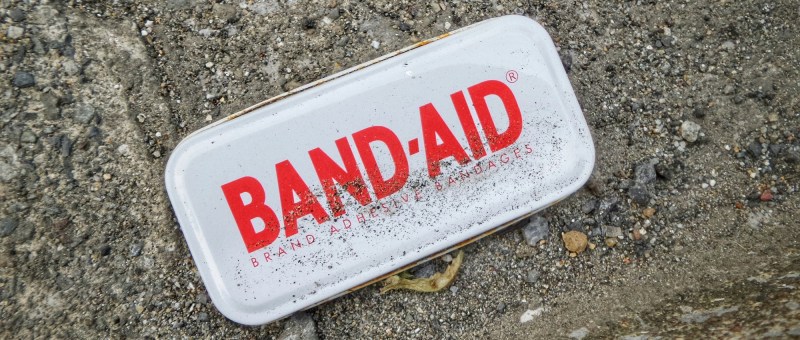
A first aid kit is something I’ve always made sure to have because of the years I spent working in the security industry. First aid kits that are purchased at Walmart or Amazon don’t always have all the items you will need. Bandaids and ice packs are good things to have but you will often find yourself needing a variety of items that aren’t included in a basic kit.
What I’d recommend is checking with someone who is a nurse or EMT to find out what items you should have in a first aid kit and how many of those items there should be. Then you can create a custom kit for your trips.
Know your resources.
I’ll never forget the one time we were at a camp and had a medical emergency. A student suffered a horrible concussion and needed emergency treatment. We were sent to an urgent care facility but they weren’t equipped to handle that situation so we had to call EMS to take us to a trauma hospital over an hour and a half away.
If we had known that the hospital was where we needed to be, we could have gotten there sooner (and yes, the student’s completely fine and was released that same day). That situation taught me to know what my resources were wherever I was taking students.
If you are going on a trip it’s important to know where hospitals, doctor offices, and fire departments are. Know how to get to certain places like auto part stores and mechanics. Try to plan out rest stops, gas stations, and places to eat on longer trips. Have people back home and on your trip that you can go to with various issues (having someone who knows cars is awesome and having a nurse or doctor on the team is a wonderful thing).
Train your leaders.
Another thing that will help you to be prepared on your trips is training your leaders in a variety of situations. You can get them CPR and first aid certified. You can help equip them with how to respond during emergencies and various circumstances.
You can assign them roles for each of those moments as well. Even asking leaders to simply herd and distract students while you handle the main issue is key because it allows for you to be focused on rectifying the situation.
Being over-prepared isn’t a bad thing.
My leaders jokingly chide me about how much stuff I bring on trips and how big my backpack is. I have my own first aid kit, extra items students may need, all of my documents in case they’re needed, plenty of Advil, and basically anything else I may end up needing.
Do I always need what I pack? No. But would I rather have and not need than need and not have? You better believe it.
When I think through a trip, a ministry event, and even just regular programming, I always try to be as prepared as possible to handle whatever happens. That doesn’t mean that I’m trying to be omniscient, but instead seeking to care well for my people by being prepared and ready to jump into whatever happens.

