Fun Game Ideas for Student Ministry

If you’re like me, games may not be your primary focus each week. I am not saying games are bad; I think they are a necessary and important part of student ministry.

But if I’m being honest, I don’t always think about them because I am not always wanting to lead games. I’d prefer to engage in conversations and just float around while interacting with students.

But, since I know how important games are, I wanted to share some ideas with you that are fun, easy to run, and do not take up a ton of prep time.

The Floor is Lava

This is an old school game that has been having a recent resurgence. If you aren’t familiar with the rules, the game is fairly simple: do not touch the ground or you are out.

The object of the game can vary from completing tasks like collecting objects or moving a team to a safe zone, to completing an obstacle course, to a last person standing challenge. The game can be as creative as you can imagine and will allow various people to play.

Seated Basketball/Soccer/Football

This is a personal favorite of mine. These games take the traditional sports we love and turn them on their heads. You do not have to be super athletic to play these games because you are seated the entire time.

Before you start the game, set up your playing area whether it is indoors or outdoors. Simply place chairs where players will sit the entire game or period and label which team they are for. Then have your students pick a chair and get ready to laugh.

The rules are the same for whatever the game is with one addition: students cannot move from their chair. Have leaders roaming to place the balls back in play when needed. You can also change up the rules and objectives to add another layer to the games.

Hula Hoop Volleyball

This is an easy game to set up and run with. Simply set up a volleyball net, or something in place of it like a sheet on a clothesline, and then place hula hoops on each side that are six feet apart. The rules for volleyball don’t change, except that students may not leave their hula hoop during the game unless it is to rotate spots during a change in servers.

Scattergories

This is a great game to play as a small or large group. You can do a quick Google search for categories and then run the game during youth group. You can simply click through the Google images to get ideas or check out a website like this one.

If you are playing as a small group give everyone a score sheet and have them all compete against one another. You or a leader will assign a letter and have the students write words beginning with it.

If you have a larger group, consider setting this up tournament style. Have students all compete with same letter and then when time is up they will compete only against the other person at their table. The winner will advance to the next table, while the loser stays at the table. If there is a tie have them play Rock, Paper, Scissors to decide the victor. The person with the most wins at the end is the champion.

Cornhole/Bags Tournament

If you do not have a couple sets of these for your youth ministry, let me highly encourage you to get some. I have purchased these before and they have held up very nicely.

You can turn it into a tournament to decide who is the best cornhole player. You can also set up varying degrees of game play (i.e. closer or farther away) to make it more of a challenge for your students.

Charades

Who doesn’t love a classic game of charades? The general idea is that you will have someone acting out an action, character, or activity that they have pulled from a hat. These can be pre-made by you and your volunteers or you can have students submit them.

There are lots of different ways to play Charades like as small groups guessing, or as a large group guessing, or even reverse charades where one person guesses while the whole group acts it out. Whichever one you choose, make sure to remind the people acting out that they can not make noise or they forfeit that round.

Head, Shoulders, Knees, Cup

Have you ever played head and shoulders before? You know the one with the classic song? It’s an easy game because you simply need an emcee up front who calls out what everyone needs to do. If they say head, everyone touches their heads. If they shout knees, then everyone touches their knees. In this version two people are facing each other with a cup on the ground in between them. The object of the game if simple: follow the directions and then when the emcee yells “cup,” both players try to grab the cup. The one who doesn’t get the cup is eliminated and the winner finds a new partner to compete with. Bonus tip: make sure there is enough distance between the players so they don’t bump heads when going for the cup.

Pull Up

All you need is a sound system and music, and someone who can start and stop the audio when needed. Have your group sit on the floor in a circle facing inward. Then choose an odd number of boys and girls to be in the middle. When the music starts the students in the middle must go to a member of the opposite gender, extend a hand, and “pull them up”. They then sit in the open spot and that new student in the middle continues by pulling up a member of the opposite gender. This continues until the music stops and the gender with the most people in the middle loses. Play for as long or short as you would like.

Drip, Drip, Drop

For this game you need just a little bit of prep: paper cups and water, and some towels if playing inside. I’d encourage you to play outside so you don’t have wet carpets. Have your students sit in a circle facing each other much like Duck, Duck, Goose. Pick on player to be it. They stand outside of the circle and are given a cup with a small hole in the bottom. Have them place their finger over the hole. When they start they go around the circle saying “drip” and dripping a small amount of water on the students’ heads. When they yell “drop” they turn the cup upside down on the person and have to run around the circle while being chased by the person they dropped on. If they make it to said person’s spot they are safe. If they are tagged they are it again.

Egg, Chicken, Dinosaur

This is a great alternative to Rock, Paper, Scissors and is really easy to pull off. Explain how to play Rock, Paper, Scissors to the group. Then explain that in this game you can only play with people who are the same as you: i.e. an egg, chicken, or dinosaur. Eggs can only play eggs, chickens can only play against chickens, and dinosaurs against a dinosaur. The kicker is they must walk or waddle in a manner that is befitting of an egg, chicken, or dinosaur. Participants all start as eggs. They must find another egg and play a best 2 out of 3 round of rock, paper, scissors, and if they win they become a chicken. When a chicken wins they become a dinosaur. If they lose a round they go back one level.

Lightsaber Duels

Participants must place one hand behind their back. They will then join in a battle with another person by locking their one hand with the other person’s hand. Students will then extend their pointer finger as their lightsaber. When the music starts they attempt to touch their “lightsaber” to the other person. They can “zap” them anywhere but they cannot bend their finger to complete a touch. If they are zapped they are out. The winner keeps advancing until only one remains.

Bucketball

This game requires some prep and a few quick items. Make sure you have buckets, cones, pinnies/colored shirts, and balls on hand before you play this game. For set up, place a bucket in the middle of a ring of cones for each team where one player (the scorer) will hold the bucket (approximately three feet in each direction from bucket to cone).

Divide your students into groups (we usually just do two but having more groups makes it interesting) and assign each group colored pinnies. The game is played in the same manner as ultimate Frisbee where the students must pass the ball down the field and are only allowed three steps with the ball. Points are scored by players throwing the ball (after three or more passes) to their scorer. The scorer will hold the bucket within the ring of cones and attempt to catch a ball in the bucket. Only balls that stay in the bucket count. The scorer may not go outside of the cone ring and the defense and offense may not go inside the cone ring. Feel free to add as many balls to the game as you would like.

Seated Basketball/Soccer

For this game you need a few items: chair, pinnies, balls, and extra leaders or students to collect stray balls. This game is played just like soccer or basketball in that the goals are the same which means you obtain points how you would normally (i.e. kicking a goal, making a basket). Divide your students into two teams and give them their pinnies. If you are playing soccer have the students remove their shoes to prevent potential injuries from kicking one another.

Have your students then grab a chair and give them 15-30 seconds to place their chair. Explain that this is the only place they may sit for the first half/quarter. Once they sit they may not move from that spot. When everyone has sat down introduce the balls for the game and explain that students must remain seated all the time, and failure to do so will put them in a penalty box. Explain that if no one can reach a ball it will be placed back into play by a leader. Assign times for your halves/quarters and then when a new one begins allow students to find a new spot to sit.

Cat and Mouse Tag

Have students pair up and link arms at the elbows. I would recommend not allowing them to hold hands or wrists as it can lead to injuries. Pick two students to start the game. Explain that one will be the cat who is it and will chase the other student who is the mouse. At any point during the chase the mouse can link up via their arm with a group and the person who is now on the outside is the new mouse. If the mouse is tagged then the roles are flipped and they are now the cat, and the cat is the mouse.

Death Sticks

Take some pool noodles and cut them in half and have your students each grab a chair. Place an odd number of pool noodles on an equal number of chairs in the middle of a large circle of chairs that your students make. Have each student sit in their chair. Then chose an odd number of students to stand in the middle that is equal to the number of chairs with noodles. Explain that this is a guy versus girl game (or however you would like it to be) where when the music starts the guys must take the noodle and bop a lady on her legs, and ladies must do the same to guys.

Once someone is bopped the person with the noodle must return the noodle to the chair they took it from (no throwing it must be placed) while being chased by the person they bopped. If the person who was bopped manages to retrieve the noodle when it placed down and bop the person who bopped them before they sit down in the vacant chair that person returns to the middle. If they cannot they are now in the middle and can bop someone. Winning team is the team with the least of their gender in the middle. And remember that a bop is a soft hit, not smacking someone hard with the noodle.

Product Review: GoSports Gaga Ball

If your middle school students are anything like ours, they probably love Gaga Ball. Our students could play this for hours and keep coming back for more. Last year we decided to make an investment for our middle school ministry and we purchased a 20 foot GoSports Gaga Ball Pit.

We used to utilize some of our older wooden tables to build an improvised Gaga Pit whenever we hosted outdoor events that brought students in by the droves. We longed for a set that was easier to set up and could be utilized indoors. I searched for hours online trying to figure out what our options were but everything was either too expensive or was a DIY option that required more building skills than I could ever have.

Eventually one of our volunteers built us a semi-portable set out of two-by-fours but it wasn’t meant to last. So we found ourselves back where we started: no real options. And I’ll be frank, I had given up hope of finding something that would work for our ministry setting and within our budget.

That’s when my middle school director came to me with a great option. After searching through Amazon, she had found a viable option: the GoSports Gaga Ball Pit. These come in three different size options (10, 15, and 20 feet) and seemed to have a quick set up and tear down feature.

I was skeptical about this set at first. It seemed too good to be true and way too easy to set up and store. But I figured let’s see what happens, and I am so happy we did. This set is incredibly easy to set up and it has stood up to heavy (weekly) use.

Not only is it easy to set up and durable, GoSports also has great customer service when it comes to obtaining replacement parts. And don’t assume that it broke or isn’t up to the task because we needed replacement parts. One of our pieces got run over and still worked but was slightly off.

The set comes with three different types of pieces that when all put together, form an octagon. You place the poles into each of the openings in the net and put them into the upright stands and there you have it: a ready-to-go Gaga Ball Pit. This even comes with two rubber balls that you can use in your pit.

One thing I will say is be mindful that this pit isn’t like one made out of plastic or wood where the ball will rebound quickly off of the sides. The netting actually cushions the ball and slows it down a little. That means play may not be as fast paced as other sets but it does allow players of all skill levels to have a blast.

At the end of the day, this set is totally worth the investment and we will be recommending it to everyone!

Quick Tip: Gingerbread Houses Remix

We just had our leader Christmas party this past Saturday and it was a blast! We had wonderful food provided by families in our ministry, we spent a good amount of time in fellowship, we shared stories, and played games. One of the games we did this year was a gingerbread house decorating contest.

Now I’ll be honest: we have done gingerbread houses before for both our leaders and students, and here’s what I learned. It takes a lot of prep time, you need to buy a lot more items for decoration including icing, it takes up a lot of time, it’s messy, and it can be frustrating for different teams or individuals.

So when the idea was floated that we should do it again, I’ll admit, I was skeptical at best. But my teammate shared that she had an idea that would make this go over well and by way less difficult than before. And let me tell you, she was right! Our leaders had a blast doing it and their creativity, story telling, and humor was on full display.

Now I know you’re anxiously wondering what we did, so here it is. We did cardboard gingerbread houses. A quick search on Amazon will bring up a variety of styles, sizes, and purchase options for you to choose from. The ones in the link above came with some decor but we quickly realized it wasn’t enough, so we bought more items to go with them. We purchased pompoms, pipe cleaners, stickers, markers, tiny presents (ones for dollhouses), little trees, and fake snow.

We packed up the unmade houses and supplies into baggies for each team and gave them fifteen minutes to build their houses. We then allowed each team to present their house to the judges and the stories we got for each home were just as unique as each of the houses.

All told, we spent less than $150 for 12 houses and additional supplies. We probably could have spent even less if we had shopped for the supplies at a dollar store, but time was not on our side for that. This is a great alternative to spending lots of money on an activity that could get fairly messy and would require significant prep work. I would recommend this to anyone looking for a fun new, yet timeless, Christmas activity.

Resource: A Fun Christmas Party Activity

This year at our Christmas Party we are bringing back an activity we took a risk on last year because it paid huge dividends. The activity: decorate your own Christmas t-shirt with the opportunity to win a prize for your small group.

Last year we went with Christmas hoodies but that proved to be cost prohibitive, so this year we switched to t-shirts. The excitement, expectation, and energy this competition created has blown us away, and so we want to share this with you as a resource you could incorporate into your Christmas parties.

The objective: Create a Christmas-themed t-shirt that will impress the judges and allow your team or small group to win the prize.

The rules: Teams or small groups must design and create a Christmas-themed t-shirt using only the elements on their table. They cannot bring in any outside elements. Teams may exchange items with the game host if there are additional items available. Teams will have a set time to create their shirt and when the time ends, a member of the team must be wearing it.

Penalties: Teams lose points for using outside items, not having the shirt on at the end of the build time, having items on the floor (trust us, your facility team will thank you), not listening, or whatever else you’d like there to be penalties for. The judges can choose how many points to deduct for each offense.

Judging: Each person wearing the t-shirt gets 30-60 seconds to present (think runway style) their group’s design and explain why they should win. Judges will confer and choose the team they think has won. Judges can use scorecards to rank the teams in different categories (most unique, most likely made by someone’s grandmom, most over the top, most annoying, etc.) on a scale from 1 to 5. Judges can deduct points throughout the competition for penalties.

Prizes: We decided last year to incorporate a prize that we could reuse each year that would allow students to have a lasting legacy at our Christmas parties. We found an inflatable snowman that we have the winning groups sign with markers. We bring it out each year for everyone to see past winners and for the new winners to sign.

Variants: We are incorporating a new element this year. Teams can win advantages by participating in two additional competitions. The first competition is a lookalike contest where they need to do their best to look like a member of our student ministry team. The winners of that competition receive a golden gift box of extra supplies that only their team can use. The other competition is the team who brings the most first time guests gets a time advantage.

Supplies: We use large or extra large t-shirts with a variety of decorations including bells, tinsel, ornaments, bottle brush trees, fairy lights, jingle bells, pipe cleaners, bows, ribbon, and any other fun dollar store or Amazon items. We also make sure to have glue guns and glue sticks to attach the items, and we found these for a good price on Amazon a year ago. Lastly, we got some multicolored fabric markers to allow teams to draw and write on their shirts. The key is utilizing fun elements that are inexpensive.

Last Minute Christmas Party Games

It’s the week before Christmas and for some of us, that means taking a break from ministry for a week or two. But there are other ministries that keep going and may be meeting sometime this week for their Christmas party. If you are in the latter category and looking for some easy, quick, and little-prep games for your party, you’ve come to the right place.

Let’s face it: we’ve all had a moment where for whatever reason, our event and activities have been placed on the back burner. That’s not a reflection of you or your heart, but it sometimes happens. And right now you may feel pressed for time and wondering if you’ll even be able to pull this party off because you still need a great Christmas message and games may not be your thing. It happens, we’ve all been there or will be there. This post is meant to help you have a great Christmas party for your students, or maybe even show up at your staff party as the hero with fun activities, or give you something fun to do when all of the family is over during the holidays. So here are some quick and easy Christmas party game ideas.

An easy Christmas scavenger hunt.

We have written about scavenger hunts in the past where we have used Scavr. This is not what I am suggesting. That takes a lot of back end work and would completely bog down any prep time you have this week. Think of this in the classic “Bring Me” style game but instead of doing it one item at a time, it’s a scavenger hunt where students either have to physically collect items or take photos of them. It could also have various elements like “have a group take a video singing Christmas carols in front of a manger,” “take a group picture by Christmas lights,” or “have your group dress up as wise men.” Including elements that are within your church and relatable to your church will help make this game relatively easy and successful.

Charades or reverse charades.

Charades is always a fun group game to utilize where you have a group of people guessing the action of an individual. This can be played in head-to-head fashion with multiple teams competing against each other, or if you have a smaller group it can be played all together with your group guessing the actions of one individual at a time.

Another fun way to play this game is reversing the function of the game: the group will act out the action while one person or only a couple of people guess. This allows for your group to be a little more creative and to craft a scene. I would suggest giving your groups around 30-60 seconds to come up with a plan if you are doing reverse charades. The scenes that you are utilizing should be Christmas-focused and could be Christmas movies, winter/Christmas activities, Christmas carols, or Christmas stories.

Christmas Scattergories.

Scattergories is a great game regardless of the time of year. It can be utilized in a smaller group where individuals play against one another. Or larger groups can be broken into small groups competing together, or even as a head-to-head style game where competitors go back and forth on answering. Regardless of how you run this game, think about different categories you can use to make the game more Christmasy.

Here are a few ideas to get you going: Christmas movies, Christmas songs, Christmas food items, Christmas characters, stocking stuffers, Christmas activities, Christmas traditions, something at the North Pole, gifts, or Christmas decorations. This is a game that is sure to produce lots of laughs and some spirited debates. But as long as you can keep it moving and see that your crew is having fun, the longer you can lean on this game to help make your Christmas party a blast.

PowerPoint Games.

Download Youth Ministry has a bunch of PowerPoint games available on their website, and I’ll be honest with saying these have saved me in many circumstances. There are all different styles of games and they can be utilized in a variety of ways depending on your group size and dynamic. Most of these will need to be paid for, but they are totally worth it. My advice would be to purchase games that have a higher review rating and ones that will connect with your group.

Christmas tree or Christmas present decorating.

Now I know what you’re thinking: why would we have our students decorate a tree or wrap a present? But hear me out: what if the tree or present was a student or leader? Right?! Now you’ve given your group the challenge to decorate someone in the most festive way possible and this is easily accomplished by purchasing (or finding) some gift wrap, bows, tinsel, tape, and maybe a few other additional items.

Another fun piece to include if you’re going with the gift idea is to get some larger boxes to wrap your people up in. Let your group go crazy with how they decorate their people and then up the ante by having them walk a runway and have a teammate explain their creativity. Another quick tip: purchasing these items can be done in an inexpensive way by shopping at a dollar store or Walmart or in a pinch purchasing online on Amazon.

Theme Night Ideas: Spring Kickoff

Most of us are not thinking about spring right now. In fact, some of us are probably revisiting our winter weather and wellness policies because those fall sniffles and murmurs of snow are beginning to materialize. But that is why this is the perfect time to think about a spring kickoff because it gives us time to prepare. Preparing in advance helps us to put things together without feeling rushed or disorganized. It allows us to build something meaningful and intentional that will reach our students and their peers.

I do want to clarify what I mean when I say “spring kickoff.” For our ministry, we host our spring kickoff in January after we come back from Christmas break. Many of you are probably crying afoul because January is most certainly not spring, unless you live in a place that is perpetually warm. But here is the rationale for calling it our spring kickoff: we have just come back from a prolonged break and we want to celebrate being back and it is the start of the spring semester for students.

Our church is a regional church which means we serve multiple school districts and none of them follow the same format for semesters or marking periods or trimesters. So instead of trying to do a “semester kickoff,” it made the most sense for us to call it our Spring Kickoff. I am not advocating for you to replicate the name–thought it most certainly isn’t trademarked–but I am encouraging you to be intentional with the time when you come back from a prolonged break in programming. This is a great point at which to celebrate and reconnect with your students, and to have fun in the process.

In looking at the time of year this happens, many of us we need to think about indoor activities. There are some ministries that can be outside in January, but for those of us who cannot, we must think about activities that can be utilized indoors. All of the ideas below can be used outdoors as well and can be shaped and molded to fit any space and ministry size. Today, I want to share with you five ideas for a spring kickoff event that are guaranteed to be a ton of fun!

Cutthroat Kitchen.

Cutthroat Kitchen was a cooking show on Food Network where competitors were given a set amount of starting cash they could use in each round to either buy advantages or purchases sabotages for their competitors. DYM put out a Christmas version of this competition that can easily be tweaked to meet the needs of a spring kickoff. You will need to play around with the graphics and some of the names of the games, but it is a great springboard and has a ton of helpful guidance.

This is an event you can do for one night or for a months-long competition. We took a month leading up to it for small groups to win “money” by competing in various games that they could use in the main competition. It was a ton of fun, and our students still talk about it.

Team Competitions.

Team competitions don’t have to be like the relay games of yesteryear. They can actually be a lot of fun and it is all in how you cast the vision and know what your group enjoys. You can host a trivia night where small groups compete against each other. You could have small groups plan and share skits or a talent show. You could have a lip-sync competition between small groups. Or it could be any number of things, but the key is knowing your group and what will get them excited and participating.

Scavenger Hunt.

We have written about using Scavr for our spring kickoff before, and honestly this is an amazing resource for youth ministries. This is an option that costs money depending on which version you would like to use, but I will say it is totally worth the value. All you need to do is figure out the clues and answers for the hunt, have your teams download the app beforehand and create a log in, and then just manage the submissions.

Gone are the days of trying to track all the scores or figure out who did what. Scavr does that all for you. This is something you can completely scale and shape to fit a theme, environment, or your church setting. We love to incorporate trivia questions about leaders and staff, utilize staff who are on-site for photo opportunities, and have our students running all over.

Minute to Win It.

This is a classic event for student ministries. You can literally find tons of Minute to Win It games online and even find websites with the games broken down by categories. There also a lot of Minute to Win It countdown times on YouTube that you can use for this event to keep things moving and make it feel like you are actually competing on the show. You can set this up where you have multiple stations and students will move through them in groups and you keep track of which student/group got the quickest time. Then you figure out which team or individual won the most games or had the best overall score, and you have your winner.

Bigger and Better.

This is a classic game that we used to play all the time at my youth group growing up. The premise is fairly simple: each team starts with the same “small item.” We always started with a quarter. You would then have to travel around and trade your small item for something bigger and better, trading items until you’re out of time. When time’s up, everyone reconvenes at church to see what each team got, and to pick a winner.

We learned pretty early on that you had to have certain ground rules in place like “no stealing,” “no drive-able items if you’re under 18,” and the item you receive you have to be able to keep. The last two were because someone had a family member drive their 18-wheeler to church. But this is a game you could play in a neighborhood, a smaller community, or by utilizing church staff and/or members to engage in more inter-generational community. The last one could even be an opportunity to have dessert at one of the homes and celebrate together.

Theme Night Ideas: Nerf Battles

Last Monday, we kicked off a new series called “Theme Night Ideas.” These posts are intended to help you think creatively about how you can help students invite their friends out to a non-threatening event that will hopefully encourage them to participate in your ministry long term. We shared some commitments we make to our students in order to help them reach out to their peers, and some creative aspects to add to every event like food, students sharing, and shortened small group times.

Today, we’re sharing an event we only recently started hosting at our church: a Nerf night. This was something I never really got behind because I didn’t think Nerf would resonate with our students, especially our high schoolers, and our more reserved students. But we had a couple of small groups meeting at our church one week and they had a blast playing Nerf throughout the building. So much so, they were telling all of their friends and they were begging my team to host a youth group Nerf night.

I began to look into what this entailed, and it actually ended up coming together relatively easily and it cost less than I had suspected. So what does a Nerf event look like? Well, we have our Nerf night coming up later this month, and I would like to share with you a variety of tips and things to think through to prepare for and make this event a success.

1. Think about your space.

Knowing what you have and what you can use is key for these games. Sometimes less is more depending on the size of your group. Other times, utilizing bigger and more open spaces may be ideal. But knowing what you have at your disposal and how to best utilize it will allow you to create an event that students will love.

2. Provide eye protection.

Eye protection is key for games with projectiles. Some Nerf blasters, like the Rival line, can fire fast and hard, and even a smaller blaster at close range can do serious damage to someone’s eye. So having some safety glasses or googles is a must. A quick Amazon search brings up multiple varieties or a Google search will bring up sites that have various options as well. Just make sure you look at shipping costs and times when you place an order.

3. Supply extra blasters and darts.

Typically students have their own blasters, but some do not or won’t want to bring their own out of fear of them being broken. So having some extras on hand would be extremely helpful. They don’t need to be super expensive or battery operated; they can be simple one shot style blasters or off brand blasters. I’d also recommend supplying the darts for the game. That way students don’t have to struggle to find their darts after the game and it ensures you’ll have enough.

4. Have ways to delineate teams.

Whether it’s pinnies, bandannas, or hats, having a way for students to know who is on their team and who isn’t is key to the success of most games. In games where teams are necessary, having a visual means of identifying teammates and opposing teams will allow students to have more fun and build a stronger desire to participate. Even if you can’t get pinnies or bandannas, think about having different colored yarns attached to players or using colored paper that is taped to shirts as a means of identifying the teams.

5. Know your game styles.

I’ll be honest: the first time we held a Nerf battle I thought I had everything planned out perfectly. I had a PowerPoint with rules and game play, I made sure there was no way to get around the rules, and I thought I had fun ideas that would work well. It didn’t. After two rounds of the original style, I switched it up and we went to a more flexible style of game play. What I found out was my rules were too strict and the game play to detailed. My students wanted a quicker and less restrictive game play.

We switched to a “capture the flag” style game with jails for those who got hit with a dart. We also incorporated ways to get people out of jail to make it more fun and engaging. We have done free-for-all style games to end the night where no one actually gets out. We’ve done leaders versus students. We have had “protect the president” style games where one team’s goal is to get the president and the other team’s goal is to protect them at all costs. We’ve done games where each person on a team can only use one bullet at a time throughout the game.

Whatever you decide to do, don’t be afraid to switch it up if it isn’t landing with your students. And don’t be afraid to ask them what they would like to do because you might find out that they have really good ideas.

6. Make sure your rules are clear.

One of our big rules is no shooting blasters when we aren’t in a game scenario. If we are going over rules, eating snacks, or simply hanging out, students don’t have to wear their eye protection. We tell students they can’t shoot in these moments because we don’t want someone getting shot in the eyes. It can really hurt and damage parts of the eye so we want to be hyper-vigilant in that area. We also make sure that our game time rules are clear and that we have leaders who help to direct game play.

7. Call audibles when needed.

Sometimes our best laid plans can be blown out of the water. And this can only be exasperated by our inability or unwillingness to shift and change when needed. The first time we hosted our Nerf Night, I should have changed how we did it but I refused to audible.

We hosted it during the summer and were hoping for more students but only a small number of our group came out. We had reserved a large portion of church for the event and rather than slim down the area, we kept it the same size. This meant that students were running around for longer periods and spent much of the playing time simply standing around or looking for people. It still worked out in the long run, but it would have been a lot more fun if we had made the size of the space more appropriate to our numbers.

We learned from this and the next time we played, we narrowed the game play space down and it worked out amazingly. Our students were more excited, they were laughing, games went faster which meant more people could play, and overall our students continued to ask to do it again. Calling audibles isn’t always easy or fun for us, but it can make it more enjoyable and exciting for our students which means they will be more willing to invite their friends to the event.

8. Plan out your barricades and boundaries ahead of time.

I don’t know about your church, but at ours there are certain items and spaces that are off limits. We can’t use our preschool space and we can’t move things around in certain classrooms. That means we need to get creative with where we play and what we use for barricades. It would be helpful to think through this ahead of time so when you explain the rules you can help students know what they are and are not allowed to use. Because, and trust me on this, there is always at least one very creative student who will find a way to incorporate an item you never thought you’d have to have a rule about; like a push cart with a trash can lid.

Have you ever hosted a Nerf event before? What worked well for you?

New Series: Theme Night Ideas

This week we’re introducing a new series we’ll share periodically called “Theme Night Ideas.” Our ministry hosts different events throughout the year that have a specific theme attached to them that help our students intentionally invite their friends into our ministry. And we want to share those ideas with you.

These nights aren’t all about the theme, but the theme is a big part of helping us draw in new students. We incorporate other elements such as snacks, a brief testimony or share time, and small groups, but not for as long as we normally would. The reason we still have those elements is because it is the DNA of our group; at our core we are a ministry and not just a fun place to hang out. So we want to make sure that these theme nights aren’t just about fun but also about Jesus and why students need Him. In order for these nights to be a success, we have promised our students four keys things:

1. We will never embarrass you or your friends.

In talking to students, they have made it clear that they are worried about inviting their friends to youth group because it will seem “weird” or “off-putting.” We know it can be hard for students to invite their friends so we want to make sure that we have a fun and safe space for them to invite their peers to without worrying that there will be embarrassment or awkwardness from our team and ministry.

2. We won’t force your friends into a commitment.

This means we won’t make students commit to a conversion experience nor will we force them to become a part of our ministry. That doesn’t mean we won’t share the Gospel or invite them back, it just means we won’t force or manipulate them to do so.

3. We will have fun.

Students want to invite their friends into a space that is spiritually encouraging and enriching, but also into a place that is fun and exciting. So we promise our students that their friends will have fun at these events and we look to deliver on that promise by what type of events we hold, the snacks and food we provide, and by how they are structured.

4. We will utilize more students for these events.

At these events, we want our students to be the ones inviting their friends and we want them to be the ones sharing with their friends. So that means we will have students helping to explain the event, getting their friends connected, and even sharing their testimonies on stage.

Join us next week for the first idea we’ll be sharing: Nerf Battles. In the mean time, have you hosted a theme night? What tips would you share from your experience?

Tips for Hosting a Scavenger Hunt

We start off each semester at our ministry with a kickoff. Our fall kickoff is usually some type of outdoor event but when we kick off our spring semester in January we are typically indoors. The past couple of years we have started doing scavenger hunts for our students and each year we have seen them grow and evolve. Our students have a ton of fun with these scavenger hunts and whenever we advertise them students come out in droves.

Today I want to share some ideas and tips for how to run a successful scavenger hunt that your students will love to attend and participate in.

Go digital if possible.

If you have been involved in student ministry for a little while you have probably participated in a scavenger hunt, and maybe even had the unlucky job of keeping score with paper and pencils. For many of us who have kept score the old fashioned way, we know the frustration and stress that comes with cataloging scores, keeping track of challenges, and trying to keep everything above board.

A few years back I began searching for a digital resource to help with scavenger hunts. Many ministries utilize social media to track submissions from students but if things aren’t tagged correctly or if internet can’t be accessed then this presents its own problems. In my digging online I found a platform for running a scavenger hunt called Scavr. Scavr is a digital scavenger hunt that you host, build, manage, and track directly from your computer, while your students/teams download the app and utilize its features to engage in the hunt.

Whoever is hosting the game purchases a level of game play–free to $149–that works best for their group (the enhanced option works best for our group and costs $79). Then they can begin creating challenges including passwords–think any type of trivia, riddles, or questions that require an answer–QR codes that you can print out and are scanned by teams, picture and video submissions, and geolocation tags. Once you build the game you send instructions to your groups who login on the app and follow a direct link to your game.

Whenever you start it your teams will be able to compete as long as it is open. You will be able to track and approve submissions as needed and push answers through if they aren’t accepted. Each group will see all the challenges and a live leader board. Then at the end you can stop the game and see the final scores and download all videos and photos. Essentially everything on the front end is done for you so you can have more freedom and flexibility during the hunt.

Utilize a variety of clues.

Whether you are using a digital scavenger hunt or you decide to go old school and use pen and paper, having a variety of clues and challenges will ensure a more complete and fun game for your students. There are trivia clues that span all different types of topics. There could be photos that needed to be taken at specific locations or with specific people or there could be clues that relate to your ministry, Bible trivia, and whatever else you can imagine. We have taken close up photos of items and challenged teams to find that item. We have asked random trivia about our staff team that had students racing to us to find out answers. We had specific locations with specific tasks to be done. And we asked a range of riddles and SAT prep-style questions. The more clues you use the better because the broader the range of challenges, the more involved your whole group will be.

Have a prize worth winning.

Typically we have offered pizza, specialty donuts, or huge bags of candy from Costco. But we noticed that this year the students weren’t as excited about our prizes so we switched things up and began to offer new prizes we never had before. I love to bake and students know that, so we offered free baked goods for small groups made by me. That was a huge success and now I owe three small groups some type of baked item of their choosing this year. We also decided to offer Chickfila for a prize to the winning team this year. We priced out the cost of some nugget trays and large fries and it actually wasn’t that bad. When we announced that prize our group went wild and it was so much fun to see the excitement level go up.

When it comes to offering prizes they don’t need to be huge or monetarily based, but they should be special and unique. So think outside the box and look to offer a prize that is unique and appealing to your ministry. Maybe you have a local creamery your students love so you provide an ice cream party for the winners. Or maybe it’s something special made by leaders or parents. Maybe it’s a percentage off of a camp or retreat. Perhaps you have a wall of fame in your youth room and the winning group is forever enshrined there. Perhaps it’s a unique trophy that is passed between winning teams. Whatever it is, the more you talk it up and the more unique it is, the more your students will love participating.

Consider your environment(s).

When it comes to hosting a scavenger hunt that your students will love, you need to be aware of what you have at your disposal in terms of environment. If you are only able to host the hunt on your church’s property, consider all the different ways your students can interact and engage with it. Utilize clues to things that your students would know and be familiar with. Find creative ways to have them interact with your church like a photo with the senior pastor or in the church library. Consider having them take a photo or complete a task at a specific location at the church like having them all play Gagaball outside or inside a specific classroom or with a certain item on the church property. Things like this will have your students moving all over your campus and also engaging with the church in ways that they may not have before.

If you’re able to do things outside of your campus, make sure that if you utilize private properties or businesses you have permission to do so. Also consider if you’re able to go offsite what ways you can have your students engage with and potentially even serve the community through this activity.

Set up rules and boundaries.

Rules and boundaries are really important for this type of activity because it makes sure everyone can have an equal opportunity to win and participate, and provides safety for the competitors and protection for the site/building. Some rules we always incorporate include areas that are off limits, keeping teams together at all times, not allowing the internet to help solve riddles or questions, being respectful of the property and people on it, how points are scored and recorded, and a time limit for the game. Whenever we have rules for a larger competition, we try to keep the rules short and sweet so they are understood but also not overwhelming or hindering of the game play and fun.

Have you ever run a scavenger hunt before? What are some pointers you’d share?

10 Low-Prep, Low-Cost Summer Activities

Does your summer programming look different than what happens during the school year? Has your budget been trimmed or are you approaching the end of a budget year? Many of us can relate to these issues and almost all of us are on the lookout for fresh ideas that can make summer more meaningful, fun, and Gospel-centered for our students.

Today’s post is designed to provide some ideas for the summer that will help you reach your students, look awesome while doing so, and hopefully add little to your workload.

1. Summer movie nights.

These are super easy and can be a ton of fun especially when you incorporate various elements. Having food for nights like these is a must and can range from having students bring their own movie snacks, to popcorn that’s provided, or even having a nacho bar where everyone brings a topping. It is also a lot of fun to allow your students to be involved in what movie is shown because then they have ownership and are more likely to invite their friends. Consider letting the students vote on which movie to show or doing polls at youth group. Also, remember to consider the legalities that are involved when it comes to showing movies. It may be necessary to have the proper licensing and to check the number of people you can show it to.

2. Nerf battles.

These are a ton of fun and super low-cost (even no-cost) to put on. Send out an invitation to all your students to bring their own Nerf guns and darts to a certain location to have a Nerf battle. If hosting this at your church, consider setting up various barriers and obstacles or even different venues for different styles of game play (everyone for themselves, team battles, king of the hill, etc.). If you have the finances available I would also suggest having some extra Nerf guns and darts as some people may show up without either and darts will inevitably get lost or broken.

3. Trivia nights.

These are a ton of fun and fairly easy to pull off. There are tons of websites that have trivia in just about every category and you can also utilize DYM or Trivial Pursuit to get trivia content as well. Consider having a student or a group of students host the night as that will generate ownership and a desire to invite their friends. Also, if finances allow, consider having some snacks for everyone and a prize for the winning team.

4. Grill out at the park.

Hosting a night at a local park is a great way to get students to an event outside of the church. Find a local park that has a grill or two, bring along food, grab some outdoor games and activities, and you have the makings of a great evening! A few quick tips: make sure to bring a variety of activities, a portable speaker for music, some board games for people who would rather chill, and consider grilling chicken drumsticks as a cost-saving option.

5. Worship nights.

These can be a little more involved when it comes to planning, especially if you are not musically inclined. But consider handing this off to some leaders and/or students who have the talent and passion for these moments. Allowing students to take ownership and plan out the event ensures that they will invite their friends. These are also great outreach opportunities where you could incorporate a student testimony.

6. Start a volleyball (or other sports) tournament.

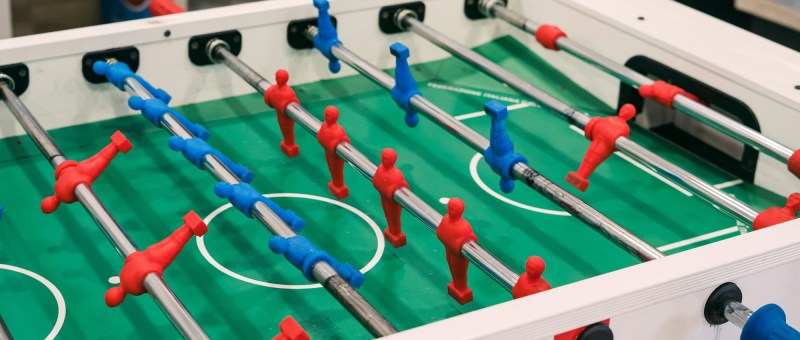
Students love a good competition and an opportunity to challenge their friends. So think through what resources you have that you could utilize and leverage them to facilitate the tournament. It could be volleyball, kickball, Spikeball, 9 Square, ping pong, Foosball, or even ultimate Frisbee. If possible, have water or sports drinks and snacks available and maybe even a prize for the tournament winners.

7. Youth room redesign/makeover.

This is one that could be a lot of fun and truly give your youth group a unique identity. Many of us have very creative students and leaders in our programs and this will afford them a wonderful opportunity to put their creativity to use. I would encourage you to make sure that there are guide rails in place and that you provide a vision for those who are helping so as to provide cohesiveness and stability to what you are looking to have in your space. It may help to start with a planning meeting or two before getting started.

If you don’t have the freedom to completely redesign your space, think about some non-permanent options. Maybe your leaders and students can create removable decor, like paintings, modern sculptures, or cool lighting. Or you could put up butcher paper over a plain wall and let them create a mural to temporarily display. Or you can host a creative night where participants can take their creations home at the end of the night.

8. Small group neighborhood cleanup.

Another awesome summer activity is to utilize your small groups in a way that serves and engages with their communities. This may require finding opportunities where your small groups can serve, or you could hand that responsibility off to your small group leaders and/or students. I would also suggest hosting a gathering after the cleanup is done, using it as an opportunity to celebrate what was accomplished and to engage in community as a group.

9. Camp-out at church.

For some churches it is difficult to take trips during the summer, so an easy and relatively low-cost alternative could be a camp-out at the church. You could set up tents, fire pits, and activities for your students to engage in, and possibly turn this into a family activity. You could also host various night games, engage in camp fire worship, and even give the food for the activity a theme like “old west cooking.”

10. Beach/lake trip.

If you live near the beach or a nice lake, doing a trip to either could be a great low-cost activity. Essentially it would cost you gas money and some beach or lakeside activities (think footballs, Frisbees, etc.). You could even offset the cost of gas by asking families to pay for it. Depending on where you are going, you could even host a grill out and allow for a student to share their testimony.